
Understanding the Pergola Configurator and Its Benefits
In today’s outdoor living landscape, the demand for customized and functional spaces has led to the rise of digital tools that allow homeowners and designers to materialize their visions with ease. One of the most innovative tools in this regard is the pergola configurator. This tool empowers users to create personalized pergola designs tailored precisely to their needs and aesthetics, enhancing both the functionality and beauty of their outdoor environments. With various configurations available, these tools are revolutionizing how we conceptualize and construct outdoor structures.
What is a Pergola Configurator?
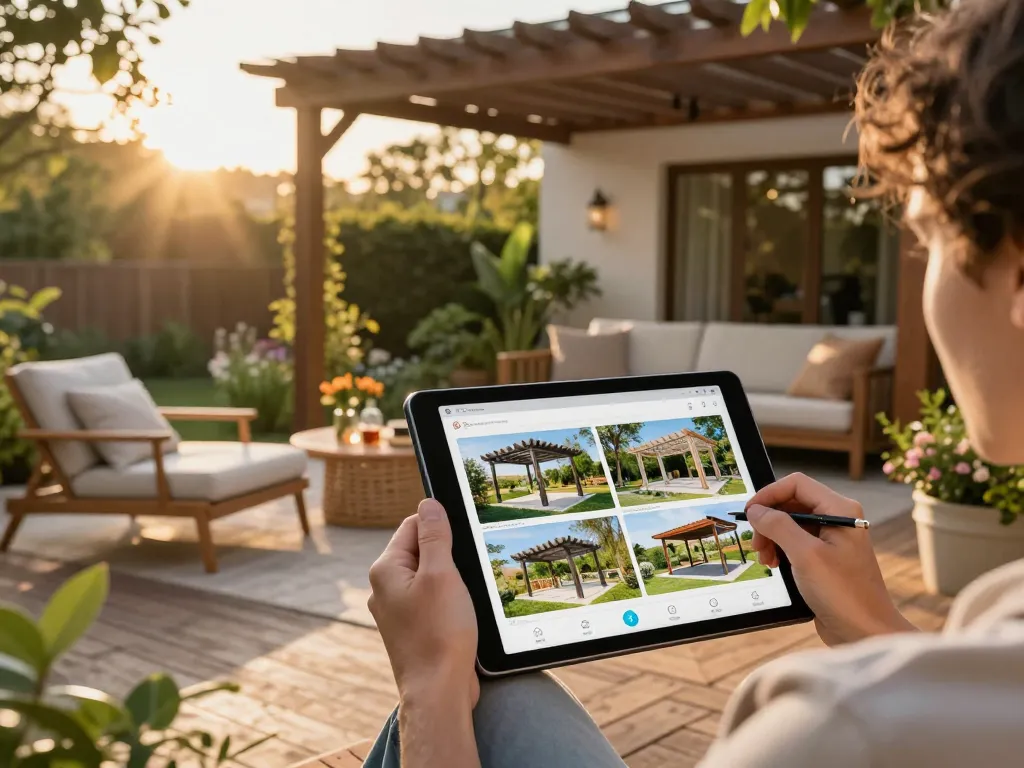
A pergola configurator is an interactive online tool that enables users to design their own pergola by selecting various parameters such as size, style, and materials. Users can visualize their designs in 3D, allowing for real-time adjustments as they explore different combinations and features. This digital interface simplifies the design process and helps in making informed decisions by providing instant visual feedback.
Advantages of Using a Pergola Configurator
- Customized Designs: Users can create a pergola that fits their specific requirements, from dimensions to aesthetics.
- Cost and Time Efficient: Configurators can streamline the design phase, allowing users to save on both time and costs associated with traditional design methods.
- Visualization Tools: The 3D representation helps users understand how the pergola will look in their space before making any commitments.
- Instant Feedback: Users can experiment with different styles and features, quickly seeing how each change impacts the overall design.
How a Pergola Configurator Enhances Outdoor Living Spaces
With the rise of outdoor living trends, creating beautiful and functional spaces has become essential. A pergola configurator not only assists in designing the pergola but also enhances the entire outdoor experience. Users can incorporate features like lighting, fans, and shades that enhance comfort and usability. By enabling customized solutions, configurators stand at the frontier of modern outdoor living, allowing homeowners to elevate their gardens, patios, and backyards into stylish retreats.
Choosing the Right Features for Your Pergola
Essential Design Elements: Size and Style
When selecting the dimensions of your pergola, consider the available outdoor space, the purpose of the structure, and the desired aesthetic. Common sizes for residential pergolas can range from simple 8×8 feet structures to larger 20×20 feet designs. The style should also reflect your personal taste, whether opting for a modern, minimalist look or a classic, ornate design.
Materials Matter: Wood, Aluminum, or Composite?
The choice of material significantly influences the durability, maintenance, and appearance of your pergola. Wooden pergolas offer natural beauty and can be stained or painted, but they require regular maintenance to withstand weather elements. Aluminum constructions are lightweight, resistant to rust, and often come in various finishes but may lack the warmth of wood. Composite materials combine the best of both worlds, providing durability along with aesthetic versatility.
Integrating Add-ons: Lighting, Shades, and Accessories
To enhance functionality and aesthetic appeal, consider integrating add-ons such as LED lighting, retractable shades, and even outdoor ceiling fans. Lighting can create ambiance for evening gatherings, while shades can provide relief from the sun during hot days. Accessories like curtains or removable screens can add privacy and versatility to your outdoor space.
Step-by-Step Guide to Using a Pergola Configurator
Getting Started: Setting Up Your Design Environment
Before diving into the design process, make sure you have all necessary measurements of your outdoor space, including height restrictions and proximity to existing structures. Familiarize yourself with the configurator interface, which typically includes options for layout, materials, colors, and additional features.
Customizing Your Pergola: Tools and Tips
Once you’re in the configurator, start by selecting the base dimensions of your pergola. From there, progressively add features such as the roof type—flat, slatted, or louvered. Utilize any available tools like sliders or dropdowns to adjust sizes and preview changes instantly. Take advantage of built-in templates to inspire your design or customize them further as necessary.
Finalizing Your Design: Review and Adjustments
After creating your design, it’s crucial to review all elements carefully. Check that the materials and colors align with your vision and that functionality meets your needs. Don’t hesitate to make adjustments or revisit sections of the configurator as needed. Once satisfied, you can save your design, print it, or submit it for quotation and construction planning.
Common Challenges When Using a Pergola Configurator
Misconceptions About Pergola Configurators
Despite the benefits, some users may hold misconceptions about the configurator’s capabilities, such as assuming they can only create standard designs. In reality, most configurators allow for a high degree of customization, enabling unique designs tailored to personal preferences.
Technical Issues: Software and Compatibility Challenges
Users may encounter technical issues, such as software bugs or compatibility with certain devices. Ensure your web browser is up-to-date and consider using a dedicated computer for optimal performance. Technical support from the configurator provider can also assist in resolving any issues quickly.
Time Management: Designing Your Pergola Efficiently
Designing a pergola can be a time-consuming process if one is not organized. Set clear goals on what you want from your design before using the configurator to streamline the process. Consider keeping a list of desired features to avoid getting sidetracked by available options.
The Future of Pergola Design in 2026 and Beyond
Emerging Trends in Outdoor Living Spaces
Looking ahead, the future of outdoor spaces will likely lean towards greater integration of indoor and outdoor living. Trends may include multi-functional pergolas that offer weather-resistant features, built-in smart technology for lighting control, and eco-friendly materials that promote sustainability.
Technological Innovations in Design Software
As technology advances, we can expect more sophisticated configurators featuring AI-driven design suggestions based on user preferences and even virtual reality to allow users to experience their designs in an immersive environment before construction.
Environmental Considerations and Sustainability
As sustainability becomes a priority, pergola designs will increasingly incorporate eco-friendly materials and energy-efficient features, such as solar-powered lights and rainwater collection systems. Consumers will be more inclined to choose options that reflect their commitment to environmental responsibility.
What features should I consider in a pergola configurator?
Look for features such as customizable dimensions, a variety of material options, and add-ons like lighting and shades. A good configurator will also offer a 3D visualization to see how your design will look in real life.
How do I troubleshoot issues with my pergola configurator software?
If you run into issues, check the FAQ section or seek customer support for troubleshooting tips. Make sure your device meets the technical requirements to run the configurator smoothly.
Can I use a pergola configurator on mobile devices?
Many configurators are designed for mobile compatibility, but for the best experience, using a desktop or tablet is recommended as it often provides better screen real estate for design choices.
What’s the average cost of a pergola designed through a configurator?
The average cost can vary widely based on materials, size, and features. Budget-conscious consumers can design basic structures for under $1,000, while more elaborate projects may exceed $5,000 depending on customizations.
Are there any limits to customizing my pergola design?
While most configurators allow for extensive customization, limits often exist regarding size and structural features to ensure safety and compatibility with local building codes. Always check guidelines provided by the configurator platform.