
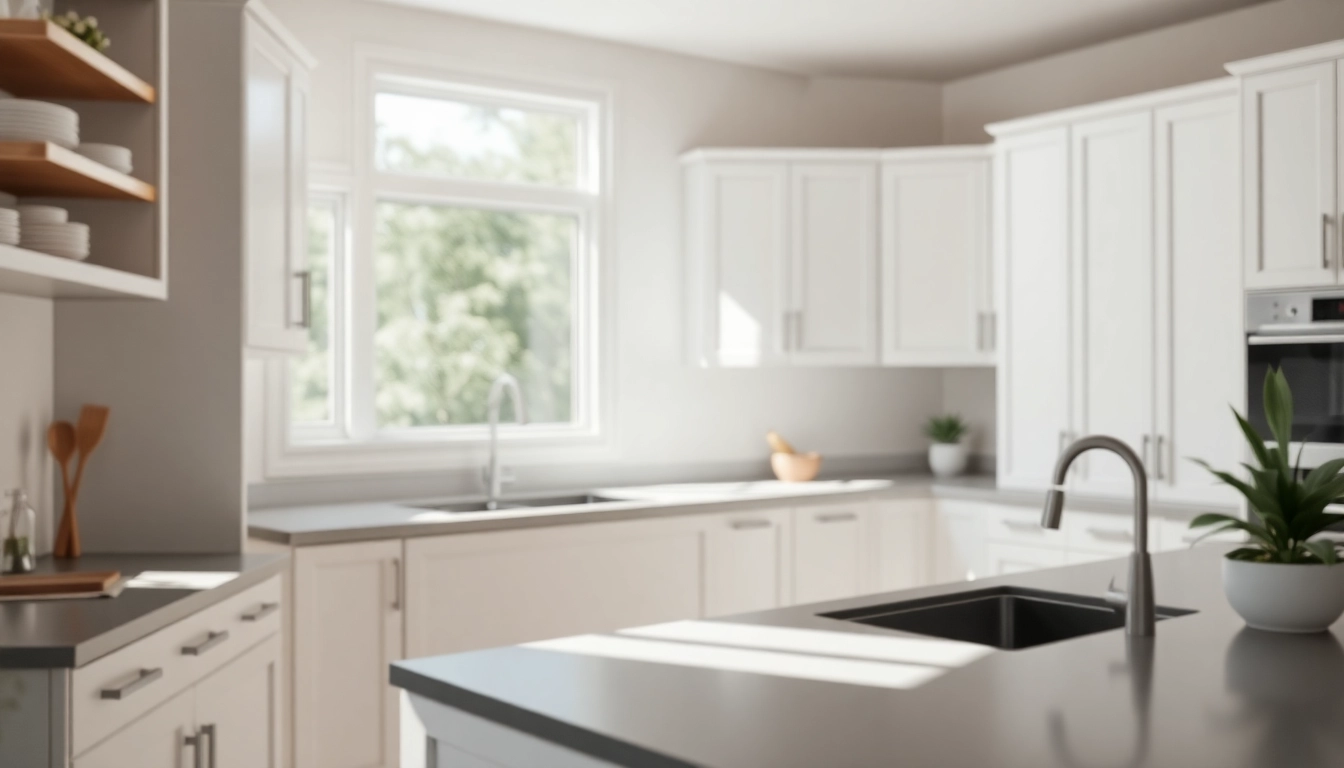
Understanding Cabinet Refacing Clearwater FL
What is Cabinet Refacing?
Cabinet refacing is a transformative home improvement approach that revitalizes your kitchen or bathroom cabinets without the need for complete replacement. This process involves applying a new veneer or laminate to the existing cabinet surfaces and replacing hardware, such as handles and knobs. It offers an efficient and cost-effective solution for homeowners looking to refresh their space while minimizing waste and disruptions. Often, Cabinet Refacing Clearwater FL is a perfect solution to maintain the structure of your cabinets while giving them a modern aesthetic.
Benefits of Cabinet Refacing Clearwater FL
The benefits of cabinet refacing are manifold. First and foremost, you can achieve a brand-new look without the often hefty price tag associated with full cabinet replacement. Refacing typically costs 30% to 50% less than a complete remodel. This is particularly appealing for homeowners on a budget.
In addition to cost savings, cabinet refacing has a relatively short turnaround time, often completed in just a few days. Homeowners can continue using their kitchen or bathroom with minimal disruption. Environmentally conscious individuals will appreciate that refacing generates far less waste than tearing out old cabinets, which aligns with sustainable living practices and reducing overall landfill contributions.
Moreover, by retaining the original cabinet structure, you ensure the sturdiness and durability of your cabinetry, which might be compromised in cheaper replacement options. Refacing also provides an opportunity to update the entire aesthetic of a room, enabling a seamless transition into a more modern design style.
Cost Comparison: Refacing vs. Replacing
When considering a kitchen or bathroom upgrade, one of the primary concerns is budget. Refacing cabinets can provide up to 50% savings compared to replacing them entirely. For example, if replacing cabinets costs an average of $15,000, refacing can complete the same aesthetic overhaul for as little as $7,500. This significant saving can be attributed to the reduced labor and material costs involved in refacing.
Furthermore, warranty considerations should be taken into account. Most refacing projects offer warranties on the materials used, ensuring that your investment is protected. In contrast, new cabinets can introduce concerns regarding the quality of manufacture and installation, potentially leading to additional costs down the line.
Choosing the Right Materials
Types of Materials for Refacing Cabinets
Choosing the right materials for your cabinet refacing project is crucial as it influences the look, durability, and maintenance of your cabinets. Common materials used for refacing include:
- Wood Veneer: Offers a natural look and is available in various wood species, each with unique grain patterns.
- Laminates: Synthetic alternatives to wood with a broad range of colors and patterns, often more resistant to damage.
- Thermofoil: A vinyl material that wraps around the cabinet surface, providing a seamless finish that is easy to clean.
- Solid Wood: More expensive but provides a high-end finish and superior durability.
Color and Finish Options
Color and finish are vital components of cabinet refacing. Options range from classic whites and neutrals, which provide a clean, modern look, to bolder colors that can make a statement. Moreover, finishes can vary from matte to glossy, with each type enhancing different aspects of the cabinetry.
The choice of color and finish should complement the overall kitchen or bathroom design. It is essential to consider existing appliances, countertops, and flooring to ensure that the cabinetry harmonizes with all elements in the space. Engaging with an interior designer or cabinet refacing professional can provide additional insights into effective color pairings and finish selections.
Eco-Friendly Choices
Eco-friendly materials are gaining traction in cabinet refacing, appealing to environmentally conscious homeowners. Many modern laminates and veneers are constructed from recycled materials or sustainably harvested wood. Additionally, low-VOC (volatile organic compound) paints and finishes can be chosen to minimize indoor air pollution.
Investing in eco-friendly options not only supports sustainable practices but can also be a selling point for potential buyers if you plan to sell your home in the future.
Professional vs. DIY Cabinet Refacing
Hiring a Professional: Pros and Cons
Deciding between hiring a professional or attempting a DIY approach for cabinet refacing requires careful consideration of various factors. Hiring a professional ensures a high-quality finish, as experienced contractors have the necessary skills and tools to execute the project flawlessly. They can also offer valuable advice on material selection and design choices.
However, professional services come at a cost, which may deter budget-minded homeowners. Additionally, you may have to work around their availability, which can extend the timeline of your project.
DIY Cabinet Refacing: Tools and Tips
If you decide to tackle cabinet refacing yourself, it’s vital to gather the right tools. Essential items include a drill, clamps, a measuring tape, a utility knife, and adhesives specifically designed for cabinetry. Proper planning is crucial: take precise measurements, select materials wisely, and prepare your workspace for an efficient workflow.
Start by removing all doors and drawers, sanding surfaces to achieve better adhesion, and following the manufacturer’s instructions for applying laminates or veneers. Patience and attention to detail will yield satisfying results.
Common Mistakes to Avoid
Several common pitfalls can derail a DIY cabinet refacing project. One major mistake is underestimating the time required to complete the job. Rushing through the process can lead to sloppy finishes. Not adhering to the preparation guidelines, especially when it comes to surface cleaning and sanding, can negatively impact the durability of the finish.
Moreover, many DIYers may skimp on quality materials to save costs, which can result in an inferior appearance and longevity. Always choose high-quality adhesives and finishes, and consult with experts or references when in doubt.
Enhancing Your Kitchen During Refacing
Updating Hardware and Accessories
As you refinish your cabinets, it’s an opportune moment to upgrade hardware and accessories. Consider replacing old knobs and handles with contemporary alternatives that reflect your home’s design style. Whether you prefer sleek modern lines or ornate vintage designs, new hardware can dramatically alter the appearance of cabinetry.
Additionally, you might want to consider soft-close hinges or organizers that improve accessibility and functionality within your cabinets. These small details can significantly enhance your kitchen’s overall efficiency.
Complementing Decor Styles
Cohesiveness in your decor style is essential when refacing cabinets. Whether you’re leaning towards a rustic farmhouse aesthetic or a minimalist modern vibe, make sure your refaced cabinets blend seamlessly with existing decor elements, including wall colors, countertops, and flooring.
It can be helpful to create a mood board with inspiration images and color swatches to visualize how your cabinet color and style will work within the entire space.
Creating a Cohesive Design
A cohesive design combines all elements in your home, ensuring that your refaced cabinets support the overall ambiance you want to evoke. For example, if your kitchen has industrial elements, opt for metals and darker colors that align with your theme. Conversely, if you prefer a lighter, airy feel, soft colors and natural wood finishes will pair nicely with bright accents.
Consider the flow of your rooms as well; refacing cabinets in adjoining spaces (like an open-concept living area) should reflect a consistent design language. This strategy helps maintain visual harmony throughout your home.
Maintaining Your Refaced Cabinets
Best Cleaning Practices
Maintaining your newly refaced cabinets involves regular cleaning to keep surfaces looking pristine. A soft, damp cloth is effective for wiping down surfaces, and mild dish soap can be used for tougher stains. Avoid harsh cleaning agents that can damage the finish or the adhesive used in the refacing process.
Avoid cleaning with abrasive pads, as this can scratch the surface, leading to premature wear. Regularly checking for any signs of wear can help you catch and address issues early on.
Avoiding Common Damage
To keep your refaced cabinets looking new, it’s important to avoid common household damages. Be careful not to overload cabinets with too much weight, as this can cause joints to weaken or doors to sag. Additionally, keep hot pans away from cabinet surfaces to prevent warping or discoloration.
Pay attention to humidity levels in your kitchen or bathroom; excessive moisture can lead to potential damage. Utilizing exhaust fans during cooking can help reduce humidity and improve the lifespan of your cabinetry.
Long-Term Care Tips
Long-term care for refaced cabinets includes regular inspections and preventive measures. It can be beneficial to apply a protective polish every few months, which will enhance the finishes and protect against stains. If you notice any damages, such as chipped veneers, address them promptly to prevent further deterioration.
Additionally, remain mindful of the overall wear and tear from daily usage. Regularly evaluate the hinges, drawer runners, and any hardware for signs of loosening or wear, which may require tightening or occasional replacement. By adhering to these practices, you can ensure that your refaced cabinets remain a beautiful and functional part of your home for years to come.
Frequently Asked Questions
What is the average duration for cabinet refacing?
Typically, cabinet refacing can be completed within 2 to 4 days, depending on the kitchen’s size and complexity.
How long will the new finish last after refacing?
A well-done cabinet refacing can last up to 15-20 years with proper maintenance and care.
Can I change the layout of my kitchen during cabinet refacing?
Cabinet refacing focuses on the appearance, but layout changes usually require full replacement for structural alterations.
Is cabinet refacing suitable for all cabinet types?
Refacing is best for solid wood or high-quality MDF cabinets; severely damaged cabinets may need replacement.
What are the ecological benefits of refacing cabinets?
Refacing reduces waste by utilizing existing structures, which is eco-friendly compared to completely replacing cabinets.