
- Understanding the Roofing Needs in South Jersey
- Choosing the Right Roofing Contractor in South Jersey
- Popular Roofing Styles and Trends in South Jersey
- Maintaining Your Roof in South Jersey’s Weather
- Planning Your Roofing Project in South Jersey
- Frequently Asked Questions About Roofing in South Jersey
Understanding the Roofing Needs in South Jersey
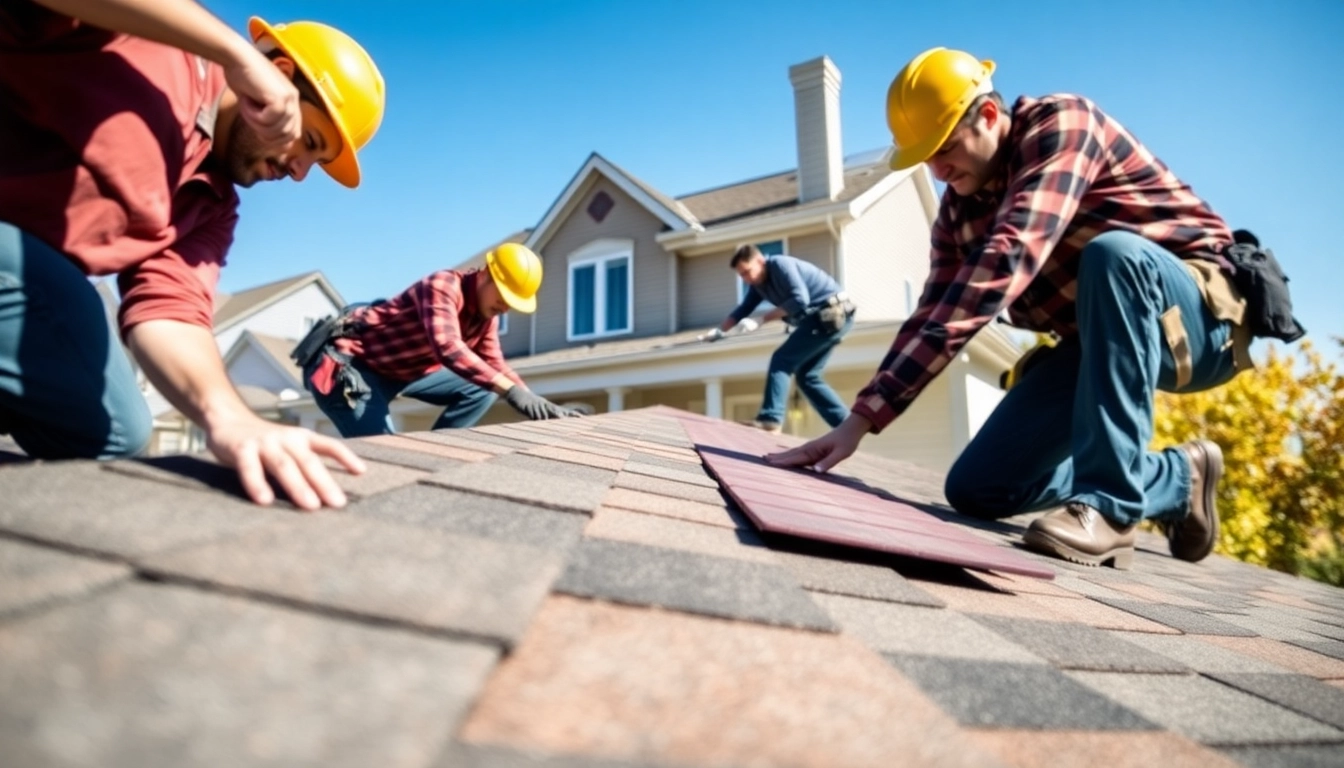
When it comes to roofing needs in South jersey, understanding the unique aspects of local conditions, materials, and regulatory requirements is essential for homeowners. The roofing system protects not just the house but everything inside it, making informed decisions crucial. This guide will help you navigate the roofing landscape specific to South jersey, ensuring your home remains safe and well-protected.
The Importance of Local Climate Considerations
South jersey experiences a humid subtropical climate, characterized by hot summers and mild winters. This climate can significantly affect roofing materials and installation methods. For instance, summers can bring heavy rainfall and storms, making it essential for roofs to have effective drainage systems. Choosing materials resistant to moisture and mold is vital. Conversely, during winter, snow accumulation can put pressure on roofs, requiring a design that can support such weight.
Common Roofing Materials Used in South Jersey
Several roofing materials are prevalent in South jersey, each offering different benefits:
- Asphalt Shingles: Widely favored for affordability and ease of installation, asphalt shingles can handle the regional weather well.
- Metal Roofing: Increasingly popular, metal roofs are durable, low-maintenance, and excel at reflecting heat, thereby improving energy efficiency.
- Slate and Tile: These robust materials provide a classic aesthetic and long lifespan, making them a favorite for upscale properties.
- Wood Shakes: While offering a distinct look, wood shakes require regular maintenance to prevent deterioration from moisture and pests.
How to Assess Your Roofing Requirements
Before choosing a roofing material or contractor, it’s crucial to assess your specific requirements. Start by evaluating the condition of your current roof. Look for missing shingles, leaks, or signs of sagging. Next, consider your budget—some materials may have lower upfront costs but higher maintenance or energy costs over time. Lastly, think about how long you plan to stay in your home. If it’s a long-term investment, opting for a more durable material may be wise.
Choosing the Right Roofing Contractor in South Jersey
Selecting the right contractor is critical for ensuring quality roofing installation. The right professional not only understands local regulations but also offers expertise in navigating unique challenges posed by the South jersey environment.
What to Look for in a Roofing Professional
When searching for a roofing contractor, there are several qualities to consider:
- Experience: Look for a contractor with years of experience specifically in South jersey; familiarity with local weather applications is crucial.
- Insurance and Licenses: Ensure that the contractor carries liability insurance and necessary licenses to perform roofing work legally.
- Warranty Offers: A reputable contractor should provide a warranty for both materials and workmanship.
Evaluating Contractor Credentials and Reviews
Check online reviews and ask for referrals from friends or family. Credentialing bodies like the Better Business Bureau (BBB) can provide insights into a contractor’s reputation. Look for documented experience with materials you are considering and positive testimonials about their professionalism and reliability.
Questions to Ask Before Hiring
Before making your final decision, ask potential contractors these pertinent questions:
- What is your estimated timeline for completion?
- Can you provide references from previous clients?
- How do you handle any unexpected issues that may arise?
- What is included in your estimate or contract?
Popular Roofing Styles and Trends in South Jersey
Roofing styles evolve over time, influenced by architectural trends and homeowner preferences in South jersey. Understanding these styles can help you choose a roofing system that fits your home.
Traditional vs. Modern Roofing Options
Traditional roofing styles in South jersey often include gable and hipped roofs, which are functional for shedding rain and snow. However, modern homes may feature flat or low-slope roofs designed with innovative materials that provide aesthetic appeal and functionality. Homeowners are increasingly blending these styles to maintain historical significance while embracing contemporary design.
Color and Material Trends in South Jersey
When it comes to roofing colors, neutral shades are still a significant choice, although bold colors are making waves as homeowners seek to express personal flair. Natural materials, such as slate and wood, remain popular for their durability and aesthetic appeal, accentuating the craft and bespoke nature of home design.
Energy Efficiency in Roofing Choices
Increasing energy costs motivate homeowners to consider energy-efficient roofing options. Reflective materials that can lower cooling costs are becoming a requirement, particularly in the warmer months. Materials such as cool roofs or those with proper insulation systems not only promote comfort but can also provide longer life and reduced energy bills.
Maintaining Your Roof in South Jersey’s Weather
Once your roof has been installed, regular maintenance becomes paramount, especially given South jersey’s weather conditions. Proper maintenance extends the life of your roof and protects your home’s value.
Routine Maintenance Tips for Long-lasting Roofing
Establishing a routine maintenance schedule can include:
- Regularly clearing gutters of debris to prevent water damage.
- Inspecting shingles for wear or damage after severe weather.
- Checking flashing around skylights and chimneys for leaks.
Signs Your Roof Needs Repair or Replacement
Being aware of signs indicating your roof might need repair or replacement can save you from costly damage. Look for:
- Loose or missing shingles.
- Water stains on the ceiling or walls.
- Visible daylight from the attic.
Emergency Roofing Solutions in South Jersey
In the case of sudden roof damage due to storms or falling debris, quick action is essential. Temporary fixes like applying tarp over leaks can provide immediate, albeit short-term, relief. Subsequently, contact a professional roofing contractor who specializes in emergency repairs to assess the damage and create a plan for restoration.
Planning Your Roofing Project in South Jersey
Executing a roofing project involves careful planning to minimize disruptions while ensuring high-quality results. Understanding the steps involved will prepare you for the process ahead.
Preparing Your Home for Roofing Work
Before your project begins, homeowners should take several steps to prepare:
- Clear the area around the home to allow easy access for workers and equipment.
- Move any fragile items indoors to prevent accidental damage.
- Communicate any special concerns you might have to the roofing team.
Understanding the Project Timeline and Costs
The timeline for roofing projects can vary significantly based on the material and complexity of the job. Most roofing projects may take a few days to a couple of weeks. Costs depend on the materials used, the size of your roof, and labor charges. Request detailed estimates during the contractor selection process.
Post-Installation Care and Next Steps
After your new roof is in place, it’s crucial to perform regular inspections and address any issues proactively. Document the installation for warranty purposes and set reminders for maintenance checks to ensure your roof stays in good condition for years to come.
Frequently Asked Questions About Roofing in South Jersey
What are the most common roofing materials in South Jersey?
Common roofing materials include asphalt shingles, metal roofs, slate, and wood shakes, each providing different benefits and aesthetic appeals.
How can I find a reliable roofing contractor?
Check for experience, insurance, licenses, and read online reviews. Asking for referrals from friends or family is also beneficial.
What are typical signs my roof needs repair?
Look for missing shingles, water stains inside the home, or signs of sagging and daylight visible from the attic; these may indicate repair needs.
How often should I inspect my roof?
It’s advisable to inspect your roof twice a year and after severe weather events to identify any potential issues early.
What steps should I take during an emergency roofing situation?
Temporarily cover leaks with a tarp and contact a professional roofer immediately for a thorough assessment and repair plan.