
Understanding Colonial Home Renovation: Key Concepts
Colonial home renovation is an exciting journey that combines historical appreciation with modern enhancements. Whether you’re revamping a quaint colonial gem or embarking on a major overhaul, this process involves understanding the unique characteristics of colonial architecture, prioritizing historical preservation, and recognizing key elements that define the essence of these homes. Navigating through these aspects allows homeowners to create spaces that beautifully merge their historical roots with today’s living standards. For more insights into colonial home renovation, read on.
What Characterizes Colonial Architecture?
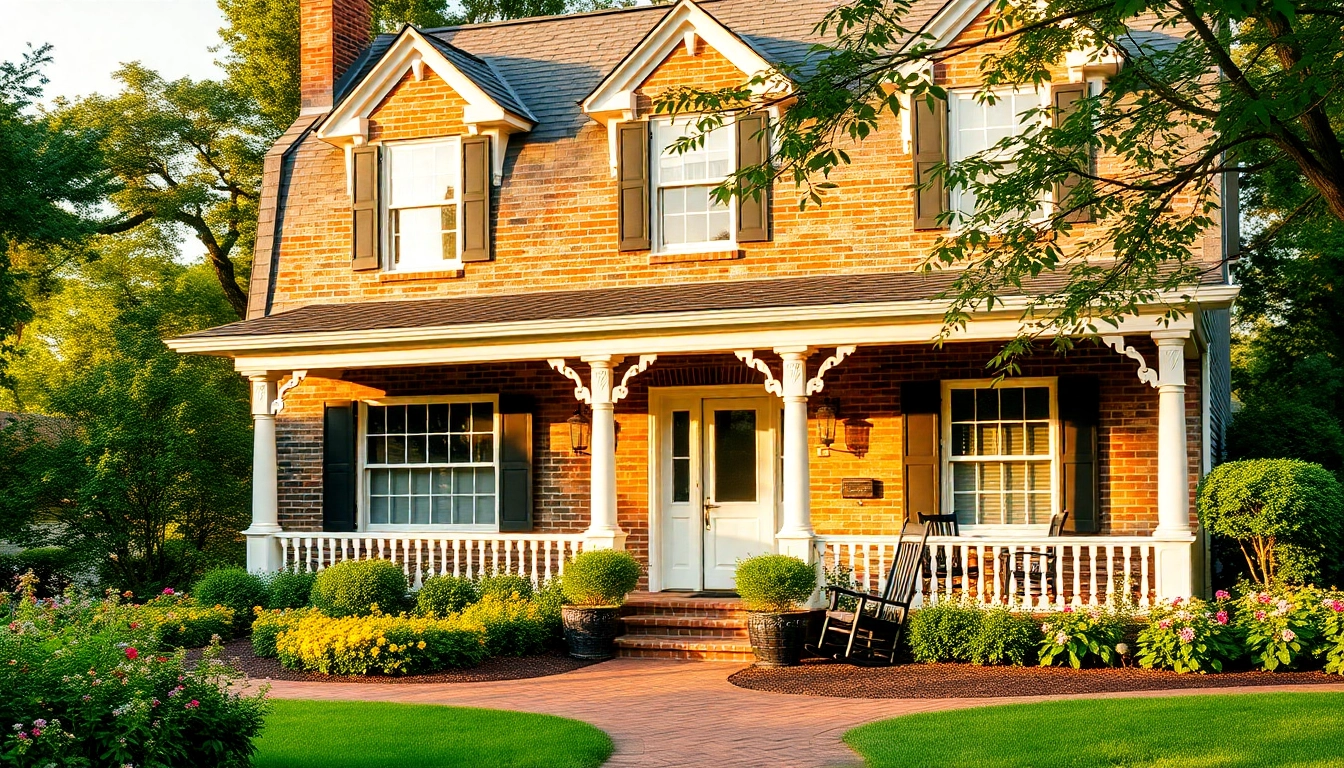
Colonial architecture is renowned for its symmetrical designs, classic proportions, and distinctive features that have stood the test of time. Originating from the European settlers, colonial homes often exhibit:
- Symmetry: A hallmark of colonial design, typically with a centered front door flanked by evenly spaced windows.
- Gabled Roofs: Steeply pitched roofs that can feature dormers, adding character and additional space to the upper levels.
- Varied Facades: Often clad in wood siding, brick, or stucco, the exterior materials contribute to the home’s historical legacy.
- Interior Layout: Typically characterized by a central hallway leading to rooms on either side, promoting flow and functionality.
These core elements define the aesthetic and functional appeal of colonial homes, making them charming yet practical living spaces.
Importance of Historical Preservation
Preserving the historical integrity of colonial homes is vital for several reasons. Firstly, it maintains the cultural heritage associated with these structures, allowing future generations to appreciate the craftsmanship and stories encapsulated in the walls. Secondly, historically preserved homes often have increased property values, especially in regions where such architecture is cherished. Lastly, it contributes environmental sustainability; many materials used in colonial homes can be reused or refurbished, reducing waste.
Key Elements in Colonial Home Renovation
When embarking on a colonial home renovation, several elements should be prioritized to ensure the project stays true to its roots while incorporating modern improvements:
- Windows: Opt for double-hung windows characteristic of the colonial style, potentially upgrading to energy-efficient glass to maintain historical profiles.
- Doors: Original doors or replicas maintain the home’s authentic charm, while modern seals enhance energy efficiency.
- Fireplaces: A focal point in many colonial homes, restoring or recreating period-appropriate fireplaces can enhance both aesthetics and functionality.
- Flooring: Restoring original hardwood floors adds character; consider using reclaimed wood for replacements to match existing styles.
Planning Your Colonial Home Renovation
Setting a Realistic Budget
Establishing a budget is crucial for the success of any renovation project, especially for colonial homes where unexpected challenges can arise. Begin by gathering quotes from contractors specializing in historical renovations, as their expertise will be invaluable. Factor in costs for architectural design, materials, labor, and any potential unforeseen repairs due to the home’s age. It’s advisable to allocate at least 10-20% of your total budget for contingencies, allowing for flexibility in the renovation process.
Choosing the Right Materials
Using historically accurate materials is key to maintaining the integrity of colonial homes. When selecting items, consider:
- Wood: Use native hardwoods like oak or pine for structural elements, trim, and cabinetry to remain true to the era.
- Brick and Stone: These materials are often authentic to colonial structures; using reclaimed bricks can enhance authenticity.
- Paints and Finishes: Eco-friendly, period-appropriate paints can infuse character while being safe for the environment.
Timeline and Phases of Renovation
Renovations can vary significantly in timeline depending on the project scope. A phased approach helps manage time effectively:
- Planning Stage: This initial phase involves designing, budgeting, and securing permits. Expect this to take one to three months.
- Demolition and Structural Work: This stage focuses on gutting areas and addressing structural integrity, and may last two to six months.
- Finishing Touches: After the main renovations, spend another one to three months on details such as fixtures, landscaping, and final aesthetic enhancements.
Design Tips for Colonial Home Renovation
Blending Modern Amenities with Classic Aesthetics
One of the biggest challenges in renovating colonial homes is integrating modern conveniences while respecting historical design. Consider the following:
- Smart Home Technology: Implement smart thermostats or security systems subtly so they do not disrupt the overall aesthetic.
- Kitchen and Bathroom Updates: Renovate with vintage-style fixtures while integrating modern appliances that offer functionality.
- Open Floor Plans: In some cases, removing non-supporting walls can create flow without sacrificing historical charm, depending on the home’s layout.
Color Schemes and Interior Design Ideas
Colonial homes are best suited to traditional and subdued color palettes. Earthy tones, pastels, and classic whites can enhance the historic appeal:
- Walls: Opt for soft hues such as sage green, muted blues, or warm neutrals.
- Trims: Use contrasting shades for moldings to highlight architectural details, typically whites or creams.
- Furnishings: Select period-appropriate furnishings that balance comfort with authenticity, focusing on classic styles.
Landscape Design Considerations
The exterior of colonial homes benefits greatly from thoughtful landscape design, contributing to curb appeal and property value. Ideas include:
- Classic Gardens: Incorporate formal gardens with symmetrical pathways, boxwood hedges, and seasonal flowers.
- Outdoor Living Spaces: Create patios with brick or stone that reflect the materials used in the home.
- Historic Fencing: Consider traditional wooden fences or wrought iron that are reminiscent of the colonial period.
Common Challenges in Colonial Home Renovation
Navigating Local Regulations and Permits
Every renovation project is subject to local laws, especially when dealing with historic homes. Before starting, research zoning laws and obtain necessary permits. Consult with local historic preservation societies to ensure compliance with regulations involved in maintaining the aesthetic and structural integrity of colonial homes.
Dealing with Structural Issues
Colonial homes may present unique structural challenges, such as outdated systems or foundational weaknesses. It is imperative to work with licensed inspectors and structural engineers to assess these issues. Addressing structural integrity first is crucial to avoid expensive future repairs and ensures the safety of the home’s inhabitants.
Managing Historical Considerations
Maintaining historical features while incorporating modern amenities can be complex. Residents often struggle with decisions about which aspects to preserve and which can be updated. It is beneficial to consult with preservation specialists who can provide guidance on best practices for managing historical authenticity without sacrificing modern living comfort.
Evaluating the Success of Your Colonial Home Renovation
Assessing Aesthetic Appeal and Functionality
Once the renovation is complete, assessing its success involves evaluating both aesthetics and functionality. Are traditional features preserved while allowing spaces to flow and function well? An effective design harmonizes the home’s historical elements with the needs of modern living, creating a balanced space that appeals to both residents and visitors.
Gathering Feedback from Residents
Involve family members in the evaluation process; their insights can reveal how well the renovations meet daily needs. Establish a feedback system to understand the effectiveness of layout changes, amenities, and overall satisfaction with the renovated spaces, ultimately helping to foster a living environment that supports comfort and joy.
Future Maintenance and Preservation
Renovating is just the beginning. Future maintenance is critical in ensuring the longevity of your colonial home. Develop a consistent upkeep schedule focusing on regular inspections of roofs, siding, and foundations, alongside cleaning and preserving original features. Creating a budget also helps monitor maintenance costs over time while planning for any potential future renovations.
Frequently Asked Questions
What are the costs associated with colonial home renovation?
Costs can vary widely based on scope, size, and materials used, typically ranging from $100 to $300 per square foot depending on your specific renovation needs and historical preservation standards.
How can I maintain the historical integrity of my colonial home?
Maintaining historical integrity involves using period-appropriate materials, retaining original features, and consulting with preservation professionals to ensure authenticity in design and materials.
Are there specific permits required for colonial home renovations?
Yes, permits may be required for structural changes or modifications in historic districts. Always check with your local building department for compliance with local regulations and guidelines.
How long does a typical renovation take?
Renovation timelines can greatly vary. For most colonial homes, a comprehensive renovation may take anywhere from three months to over a year, depending on the extent of work and the size of the home.
What modern amenities can be integrated without losing charm?
Smart thermostats, energy-efficient windows, and modern HVAC systems can be incorporated discreetly. Ensure these updates respect the home’s historical style to maintain aesthetic harmony.