
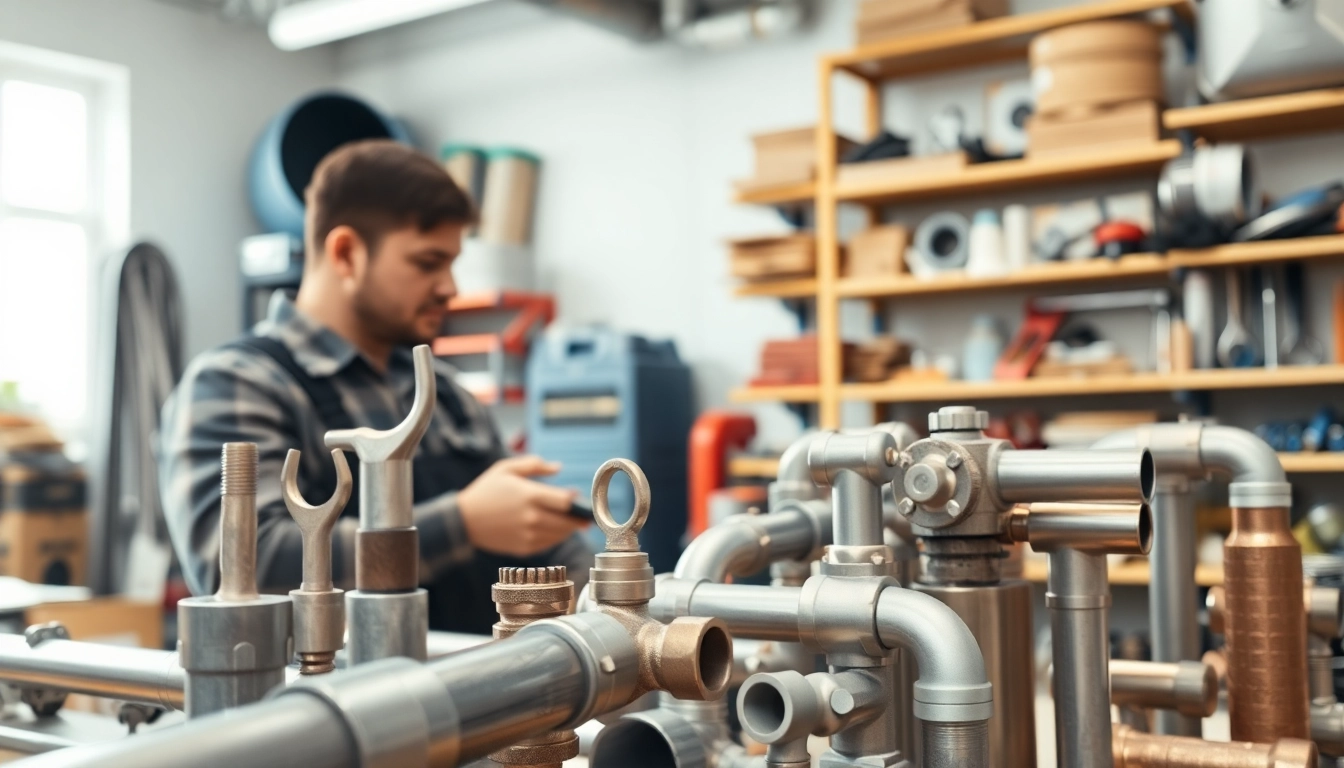
Understanding Whole House Repiping Services St Petersburg FL
Whole house repiping is a significant home improvement project that involves replacing old, damaged, or corroded pipes throughout your residential property. When considering plumbing updates, whole house repiping services St Petersburg FL become essential for ensuring the efficiency and safety of your home’s plumbing system. In this article, we’ll explore what repiping entails, the benefits of undergoing this project, and how to determine if it’s the right time for you to consider repiping your home.
What is Whole House Repiping?
Whole house repiping is the process of replacing all the plumbing pipes in a residential home. This typically includes both the supply lines that carry fresh water to your home and the drainage lines that remove wastewater. As pipes age, they can rust, corrode, or become clogged, leading to leaks or structural issues. Repiping is often necessary when older homes experience recurring plumbing problems, such as low water pressure, rust-colored water, or frequent leaks.
Benefits of Repiping Your Home
The advantages of whole house repiping can be substantial. Here are some notable benefits:
- Improved Water Quality: Old pipes can contaminate your water supply with rust and debris. New piping significantly enhances water quality.
- Increased Water Pressure: Repiping often resolves issues related to low water pressure caused by corroded or narrowed pipes.
- Less Frequent Plumbing Issues: With new pipes, homeowners can expect fewer plumbing emergencies, which saves both time and money.
- Enhanced Home Value: A freshly repiped home is more attractive to potential buyers and can increase property value.
- Longer Lifespan: Modern materials, such as PEX and copper, offer greater durability and longevity compared to older pipes.
When to Consider Repiping?
There are several indicators that suggest it may be time to repipe your home:
- Frequent Leaks: If you are dealing with regular plumbing leaks, it may be a strong sign that your pipes are aged and in need of replacement.
- Discolored Water: Rusty or discolored water can indicate deteriorating pipes.
- Low Water Pressure: A sudden drop in water pressure can be attributed to blockages or leaks within your plumbing system.
- Old Plumbing Systems: Homes built before the 1970s may contain outdated piping materials like galvanized steel, which are no longer considered safe.
Choosing the Right Material for Repiping
Types of Pipes Used in Repiping
When it comes to repiping, various materials are available, each offering unique advantages and disadvantages. The most commonly used pipe materials include:
- Copper: Known for its durability and reliability, copper has been used for decades. It’s resistant to corrosion and can last up to 70 years.
- PEX: Cross-linked polyethylene (PEX) is increasingly popular due to its flexibility, resistance to scale, and ease of installation. PEX can expand, making it ideal for areas prone to freezing.
- CPVC: Chlorinated polyvinyl chloride (CPVC) is easily installed and resistant to corrosion, making it a budget-friendly option for many homeowners.
- Galvanized Steel: While this material was once standard, it often leads to rusting and is not favored in modern plumbing due to its limited lifespan.
Cost Comparisons of Repiping Materials
The cost of repiping can vary significantly depending on the materials chosen. Below are some average costs associated with each type of piping:
- Copper: Approximately $2.50 to $5.00 per linear foot, leading to a total cost of $8,000 to $15,000 for repiping an average-sized home.
- Pex: Ranging from $0.50 to $2.00 per linear foot, the total can be around $3,000 to $7,000, making it the most economical choice.
- CPVC: Costs between $0.70 and $1.50 per linear foot, totaling about $4,000 to $8,000.
- Galvanized Steel: Generally more expensive due to the labor involved in installation, ranging from $3.00 to $7.00 per linear foot.
Longevity and Maintenance of Different Pipes
Durability varies among pipe materials. Copper pipes can last up to 70 years, while PEX offers a lifespan of around 50 years. CPVC can last about 40 years, and galvanized steel pipes may only endure 20 to 50 years depending on water quality and environmental conditions. Maintaining your plumbing involves regular inspections and addressing issues promptly, which can extend pipe life significantly.
The Whole House Repiping Process Explained
Steps Involved in Repiping
The repiping process generally includes the following steps:
- Initial Assessment: A professional plumber conducts a thorough inspection of your existing plumbing system.
- Choosing Materials: Select the appropriate piping materials based on the assessment and budget.
- Preparation: This includes turning off the water supply, informing households about the project, and preparing work areas.
- Installing New Pipes: Old pipes are removed, and new ones are installed according to building codes.
- Testing: The new piping system is tested for leaks and functionality before the project is completed.
Preparing Your Home for Repiping Work
Preparation is key to a smooth repiping process. Here are some recommended steps to take:
- Clear areas around plumbing fixtures to provide adequate access for the plumbers.
- Inform family members and pets about potential disruptions and noise levels.
- Consider accommodating alternate arrangements for water supply, as the water will be turned off.
Ensuring Minimal Disruption During the Process
Professional plumbers are typically skilled at conducting repiping with minimal disruption. Communicating your schedule and needs, and perhaps doing the project at a time when the household will be out, can be beneficial. Discussing timelines with your plumbing service will help set realistic expectations regarding the duration of the disruption.
DIY vs. Professional Whole House Repiping Services St Petersburg FL
Advantages of Hiring Professionals
While DIY projects can be tempting, hiring professionals presents numerous advantages:
- Expertise: Professionals possess the skills and knowledge to identify issues and execute a complex plumbing project efficiently.
- Quality Assurance: Licensed plumbers provide warranties that ensure quality service and peace of mind.
- Time Savings: Professionals complete the job more quickly and minimize any potential risks associated with errors.
Common Mistakes in DIY Repiping
Common pitfalls of DIY repiping include:
- Choosing the wrong materials for specific environments.
- Failing to adhere to building codes, which may lead to costly fines and repairs.
- Incomplete or improper sealing, leading to leaks or secondary damage.
Assessing Your Plumbing Needs
Before attempting any DIY project, a complete assessment of your plumbing needs and current issues is critical. Understanding the state of your existing pipe systems, how long they’ve been in place, and any signs of wear or malfunction will help clarify if repiping is necessary or if other repairs may suffice.
FAQs about Whole House Repiping Services St Petersburg FL
How long does the repiping process take?
The duration of the repiping process varies but typically takes between 1 to 3 days, depending on the size of the home and complexity of the plumbing system.
What are the signs that I need repiping?
Signs include frequent leaks, discolored water, low water pressure, and old piping materials that may be dangerous or insufficient.
Can I repipe my home myself?
While it’s technically possible, repiping requires extensive plumbing knowledge, tools, and experience. Hiring professionals is highly recommended.
What is the average cost of repiping?
The cost of repiping can range from $3,000 to $15,000 depending on the home’s size, the materials used, and the local labor costs.
How long will new pipes last?
New copper pipes can last about 70 years, PEX around 50 years, and CPVC about 40 years, depending on maintenance and water conditions.