The Evolution of AI in Daily Life
The landscape of our daily lives has transformed immensely with the evolution of artificial intelligence (AI). From how we communicate to how we manage our homes, AI has seamlessly integrated into various facets of our lives. The proliferation of smart devices and intelligent systems has brought about convenience and efficiency never before imagined. This digital revolution has led to a plethora of advancements, reshaping not just individual experiences but also how society interacts on a broader scale. As we delve into the various roles AI plays in modern living, it is crucial to recognize its implications and benefits, including insights offered by platforms like ai slut.
Understanding AI's Role in Modern Living
Artificial intelligence has evolved from a niche technology to a staple in everyday environments. At its core, AI mimics human reasoning and learning, using algorithms to interpret data and make decisions. This capability has paved the way for smart home technology, personalized shopping experiences, and even conversational agents that assist in customer service roles. The rise of AI in our routines has led to enhanced efficiencies, allowing individuals to focus on what truly matters in their lives while leaving mundane tasks to machines.
Benefits of AI Adoption for Individuals
One of the most significant advantages of AI adoption is the empowerment it provides to individuals. AI systems can analyze vast amounts of data quickly, offering tailored recommendations for shopping, health, and even travel. For example, services like Netflix and Spotify leverage AI to curate personalized content based on user preferences, significantly improving user engagement. Furthermore, AI-enhanced tools in personal finance help individuals manage budgets and investment portfolios smartly and efficiently.
- Improved Efficiency: AI systems automate repetitive tasks, leading to time savings.
- Personalization: AI enables customized experiences and solutions for consumers.
- Enhanced Decision-Making: Data-driven insights facilitate better choices in various life aspects.
Challenges Faced with New AI Technologies
Despite the advantages, the integration of AI into daily life is not without challenges. Privacy concerns arise as personal data collection becomes more prevalent, leading to potential abuse if not managed properly. Additionally, the reliance on AI may contribute to skill degradation in tasks that were traditionally performed by humans. As AI technologies advance, addressing these challenges is crucial to promote a beneficial relationship between humans and machines.
Embracing AI in Personal Development
The impact of AI extends into personal development, where it serves as a catalyst for growth and learning. The integration of AI in educational settings and training programs can significantly enhance how individuals acquire new skills. AI's ability to analyze learning patterns allows for a personalized educational experience, making learning more effective and engaging.
How AI Improves Learning Experiences
AI-driven platforms such as adaptive learning systems adjust content delivery based on the learner's pace and comprehension level. This tailored approach to education fosters better retention of information and allows for a more interactive experience. For example, systems like DreamBox Learning utilize AI algorithms to provide math instruction that adapts to individual student needs.
Real-world Applications of AI for Skill Enhancement
Beyond academic settings, AI tools are revolutionizing skill enhancement across various industries. In fields such as healthcare, professionals use AI for simulations that improve surgical techniques, while software developers employ AI-driven coding assistants to enhance productivity. This technology not only improves learning outcomes but also keeps professionals competitive in a fast-evolving job market.
Future Trends in AI-driven Education
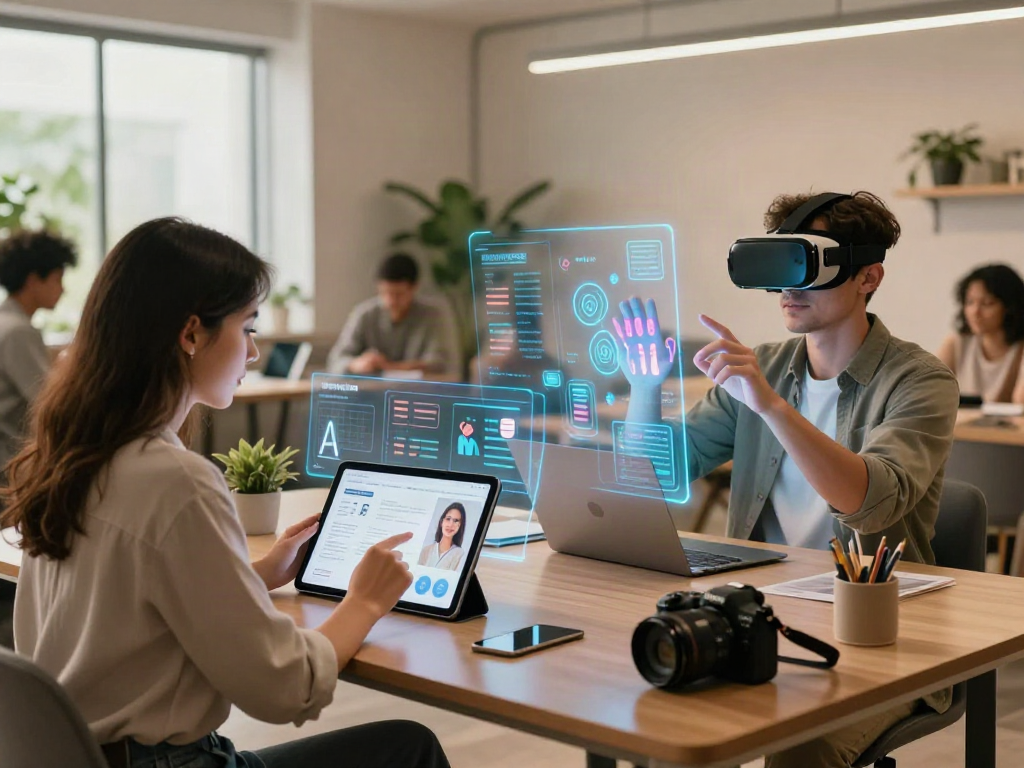
Looking ahead, the landscape of AI-driven education is poised for further innovation. The rise of virtual reality (VR) and augmented reality (AR) integrated with AI is set to create immersive learning environments, blurring the lines between theoretical knowledge and practical application. Additionally, the increased adoption of lifelong learning principles will encourage individuals to engage with AI technologies that assist in continuous education and skill development.
AI's Impact on Consumer Behavior
Consumer behavior is shifting dramatically as AI technologies redefine how people shop and interact with brands. Companies are increasingly leveraging AI to understand consumer preferences better and tailor their offerings accordingly. This evolution has significant implications for marketing strategies and customer engagement practices.
Shifting Trends: AI Personalization in Shopping
The era of generic marketing is fading, thanks in large part to AI's ability to create hyper-personalized shopping experiences. Retailers like Amazon utilize AI algorithms that analyze browsing and purchase history to recommend products tailored to individual preferences. This level of personalization leads to higher conversion rates and enhanced customer satisfaction.
The Rise of Virtual Assistants in Daily Tasks
Virtual assistants such as Siri, Alexa, and Google Assistant have become integral parts of daily life for many consumers. These AI-driven technologies aid in managing schedules, setting reminders, and even controlling smart home devices. Their growing presence points to a future where multitasking becomes increasingly seamless and integrated, allowing individuals to maximize their productivity.
Consumer Trust and AI: Navigating New Challenges
As AI becomes more prevalent in consumer interactions, trust remains a significant concern. Brands must work diligently to ensure transparency in how they use AI and handle consumer data. Building trust through ethical AI practices will be crucial in cultivating long-lasting relationships with consumers who are increasingly aware of privacy issues.
AI and Health: Transforming Wellness Approaches
The health sector is experiencing a profound transformation due to AI technologies. From predictive analytics to personalized treatment plans, AI is redefining how we approach wellness and healthcare. The integration of AI tools in health systems is helping to manage patient care more effectively and proactively.
Innovative AI Tools for Fitness and Nutrition
AI fitness apps and wearables provide personalized workout and nutrition plans based on user data. Applications like MyFitnessPal utilize AI to analyze dietary habits, offering suggestions for healthier eating patterns. Such innovations empower individuals to take control of their health while also providing insights into their progress.
Health Monitoring: The Role of AI in Preventative Care
AI’s predictive capabilities are enabling significant advancements in preventative care. For instance, wearables can monitor vital signs in real-time, alerting users and healthcare professionals to any concerning changes. This proactive approach helps mitigate potential health issues before they become critical, ultimately enhancing patient outcomes.
Future Developments in AI Health Technologies
The future of AI in healthcare is rife with possibilities. Developments in telemedicine powered by AI will likely enhance remote patient care, making healthcare more accessible. Furthermore, advancements in AI-driven diagnostics aim to improve accuracy and efficiency, leading to faster and more reliable patient outcomes.
Looking Ahead: Predictions for AI Innovation
As we look toward the future, AI is set to play an increasingly vital role in shaping industries and personal lifestyles alike. Understanding anticipated trends and innovations will help individuals and businesses navigate the evolving landscape.
The Role of AI in Shaping Future Careers
The job market will undergo a significant transformation influenced by AI technologies. As routine tasks become automated, there will be a heightened demand for roles that focus on creativity, emotional intelligence, and complex problem-solving. Professionals must adapt by acquiring new skills relevant to an AI-driven workforce.
Anticipated Trends in AI Technology by 2026
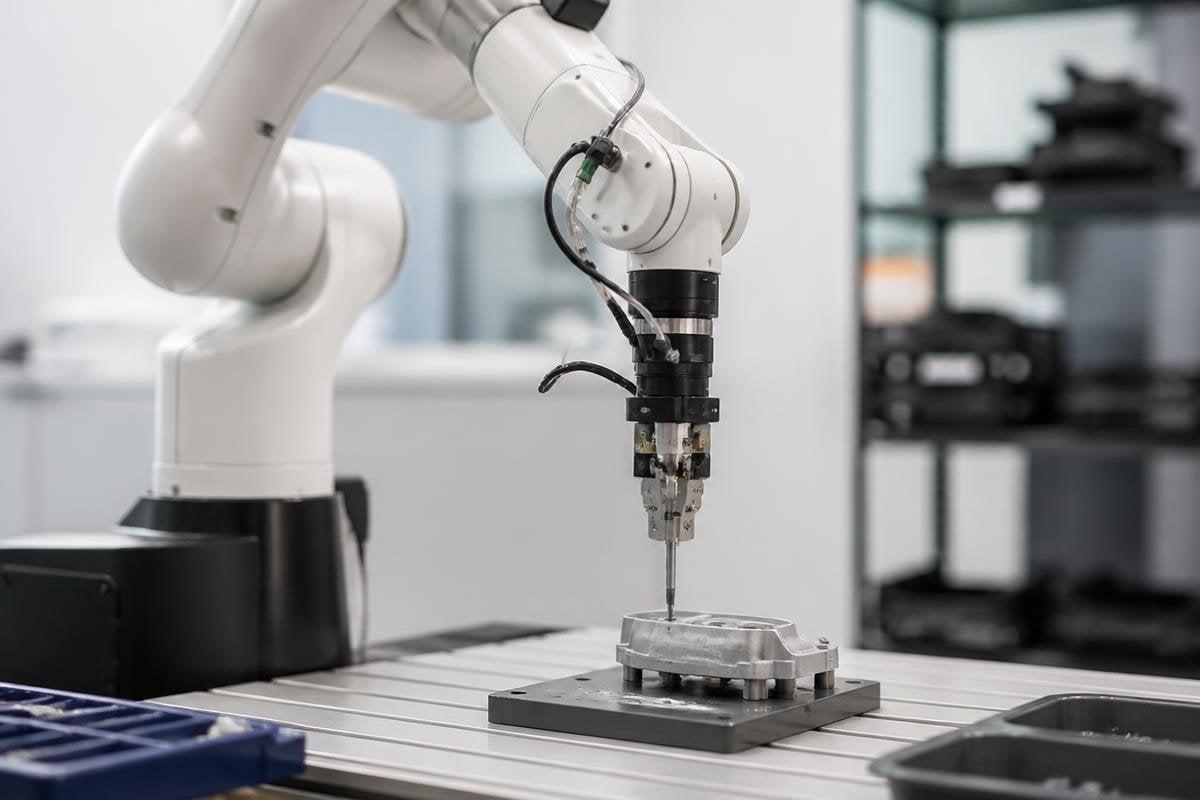
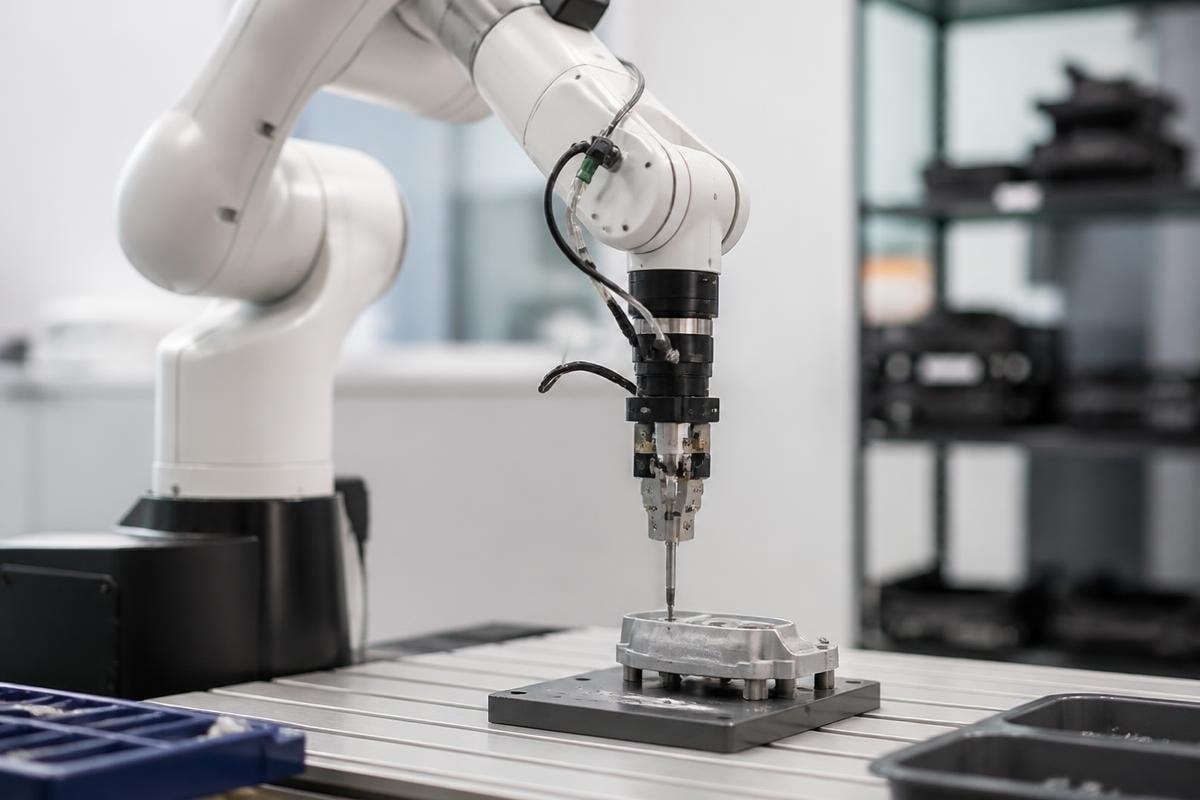
By 2026, we can expect to see AI technologies become more integrated into everyday processes. Innovations such as enhanced natural language processing, more intuitive machine learning algorithms, and AI-driven robotics will vastly change operational dynamics in various sectors. The emphasis will shift from mere automation to augmentation, where AI tools support human decision-making.
Addressing Ethical Considerations in AI Implementation
As AI continues to evolve, ethical considerations will become paramount. Ensuring fairness in AI algorithms, protecting consumer data, and promoting transparency will be critical issues that organizations must address. Engaging in conversations about the implications of AI deployment will help pave the way for responsible AI use in society.
What is the future of AI in personal lifestyles?
The future of AI in personal lifestyles is poised to enhance how we interact with technology daily. From smart homes to health monitoring, AI will continue to play a pivotal role in streamlining daily tasks and improving our quality of life.
How can AI enhance personal productivity?
AI can significantly enhance personal productivity by automating repetitive tasks and providing intelligent insights. Tools that analyze time management and prioritize tasks will enable individuals to focus on what matters most, driving greater efficiency.
What trends should we expect in consumer AI by 2026?
By 2026, consumer AI is expected to become more intuitive and predictive, offering highly personalized experiences. The integration of AI into everyday products will enhance user engagement and satisfaction.
How will AI influence health and wellness strategies?
AI will revolutionize health and wellness strategies by providing personalized health insights and preventive care solutions. Expect advancements in telehealth and real-time data monitoring to become commonplace.
What ethical issues arise with AI advancements?
As AI continues to advance, ethical issues such as data privacy, algorithmic bias, and job displacement will need to be addressed. Organizations must prioritize ethical standards to maintain public trust and benefit from AI technologies.