
Understanding Sciatica: Symptoms and Causes
What is Sciatica? Definition and Overview
Sciatica is a condition that affects many individuals, manifesting as pain or discomfort that radiates along the path of the sciatic nerve. This nerve is the longest in the human body, stretching from the lower back through the hips, buttocks, and down each leg. Sciatica is not a diagnosis in itself, but rather a symptom that indicates an underlying issue—often related to nerve compression. Common causes include herniated discs, spinal stenosis, and conditions like piriformis syndrome, which can result in debilitating pain that affects daily life.
Common Causes of Sciatica Pain
Understanding the root causes of sciatica is essential for effective management. A herniated or bulging disc in the lumbar spine is one of the most frequent culprits, as it can put pressure on the nerve roots that form the sciatic nerve. Other causes include:
- Spinal Stenosis: The narrowing of the spinal canal can compress nerves.
- Piriformis Syndrome: The piriformis muscle can irritate the sciatic nerve.
- Degenerative Disc Disease: The degradation of spinal discs can lead to nerve compression.
- Injury or Trauma: Direct injuries to the lower back can also trigger sciatica.
How Sciatica Manifests: Symptoms You Should Know
Sciatica symptoms can vary widely among individuals. Common signs include:
- Sharp, burning, or shooting pain that radiates down the leg.
- Numbness or tingling sensations in the affected leg or foot.
- Weakness in the leg or difficulty in moving it.
- Pain that worsens with prolonged sitting or standing.
The Role of Supportive Devices in Sciatica Management
When exploring options, will a knee brace help with sciatica pain is an important consideration for many patients. Supportive devices, such as braces and wraps, are essential tools in managing sciatica, particularly for those who experience intermittent or chronic pain. These devices provide non-invasive relief by stabilizing the affected area, promoting better posture, and preventing movements that can exacerbate pain.
How a Knee Brace Can Alleviate Pain
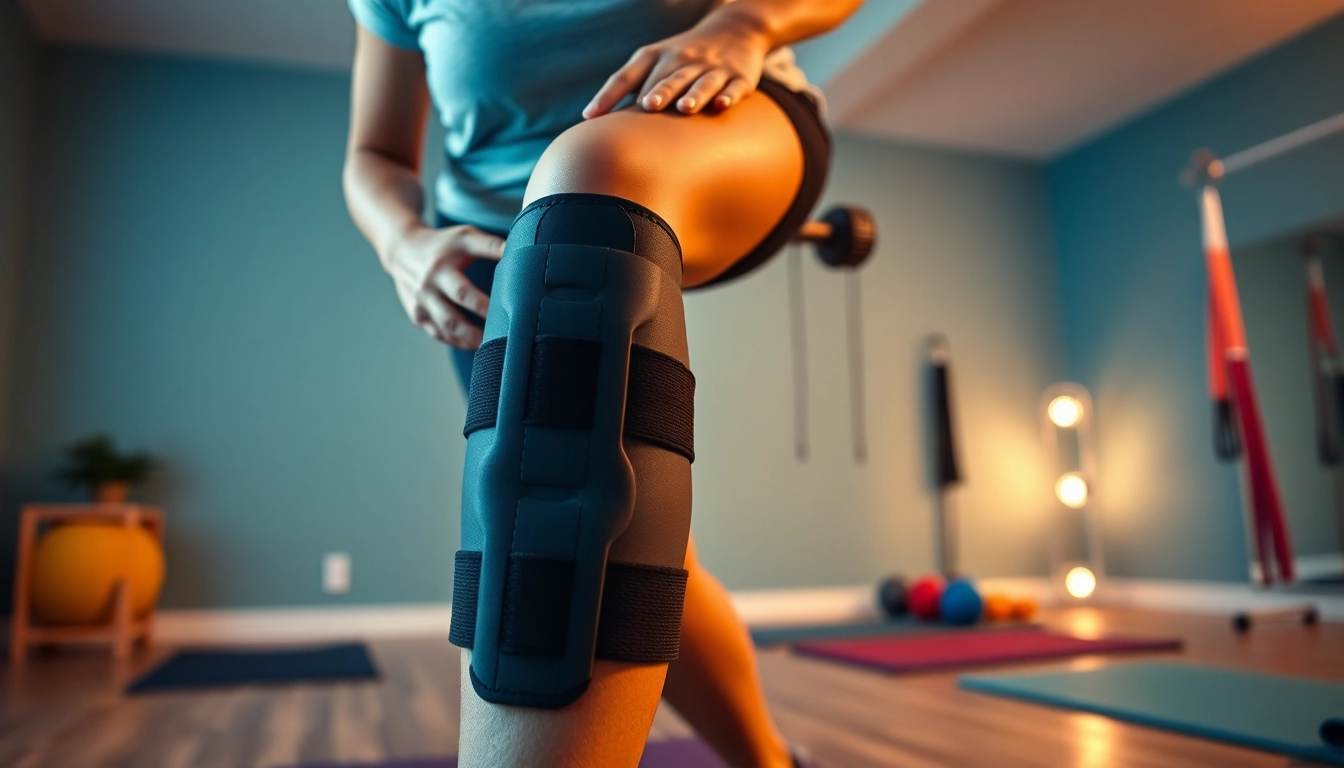
A knee brace may seem counterintuitive in managing sciatica since the pain typically radiates from the lower back down. However, a knee brace can address secondary issues resulting from compensatory movements caused by sciatica. By providing support and compression around the knee, it can alleviate pain by reducing strain on the lower back and hips.
Comparison of Knee Braces and Other Supportive Solutions
While knee braces offer localized support, they differ from other supportive devices like SI joint braces and hip wraps. SI joint braces target the pelvis and lower back, providing stability to the pelvic girdle and helping to align the spine. In contrast, hip wraps focus on compressing and soothing the muscles around the hip joint, which can be particularly beneficial for those with piriformis syndrome.
Biomechanics of a Knee Brace: How It Works
Knee braces utilize several biomechanical principles to offer relief. They provide:
- Compression: Helps reduce inflammation and improve circulation.
- Stabilization: Keeps the knee joint aligned and minimizes unnecessary movements.
- Proprioception: Enhances the user's awareness of limb position, which can encourage better body mechanics.
Key Benefits of Using Knee Braces for Sciatica
Providing Compression and Stability
Knee braces are designed to ensure a snug fit, which provides stabilization to the knee and can indirectly support the lower back. The compression helps alleviate swelling and can provide relief from pain associated with nerve compression.
Enhancing Mobility During Recovery
By alleviating pain and providing stability, knee braces can enhance a patient's mobility during recovery. Individuals often find that they can participate in physical therapy exercises more comfortably while wearing a brace, promoting better outcomes.
Psychological Benefits: Confidence Through Support
Wearing a knee brace can also offer psychological benefits. Many patients report feeling more secure and confident in their movements, reducing the fear of pain-related falls or injuries. This boost in confidence can lead to increased physical activity, which is crucial for recovery.
Integrating a Knee Brace with Other Treatment Methods
Complementing Physical Therapy with Bracing
Physical therapy plays a pivotal role in the management of sciatica. When paired with knee braces, patients often experience improved outcomes. A physical therapist can design a regimen that incorporates the brace, allowing patients to build strength while managing their pain effectively.
Combining Bracing with Pain Management Strategies
Braces can be an integral part of a comprehensive pain management strategy. This may include medication, physical therapy, and lifestyle changes. For maximum effectiveness, it's crucial to tailor the approach to the individual's specific needs and circumstances.
Developing a Comprehensive Treatment Plan
A comprehensive treatment plan for sciatica should consider both the underlying cause of the nerve irritation and the symptom management strategies. This includes integrating knee braces, physical therapy, and possibly medication to achieve the best possible outcome.
Future Trends in Sciatica Treatment: What to Expect by 2026
Innovations in Knee Brace Technology
As technology continues to evolve, so will the designs and functionalities of knee braces. Future innovations may include enhanced materials that offer better compression without sacrificing comfort, as well as smart technology that provides real-time feedback on posture and limb movements.
Emerging Therapies and Combined Approaches
Emerging therapies, such as regenerative medicine and advanced physiotherapy techniques, are expected to complement traditional treatment methods, including bracing. These combined approaches may offer more holistic pain management solutions.
Patient-Centric Care: Evolving Perspectives on Recovery
The future of sciatica management will likely emphasize patient-centric care, focusing on tailored treatment plans that take into account individual preferences, activity levels, and specific lifestyle needs. This personalized approach will enhance recovery outcomes and overall patient satisfaction.