
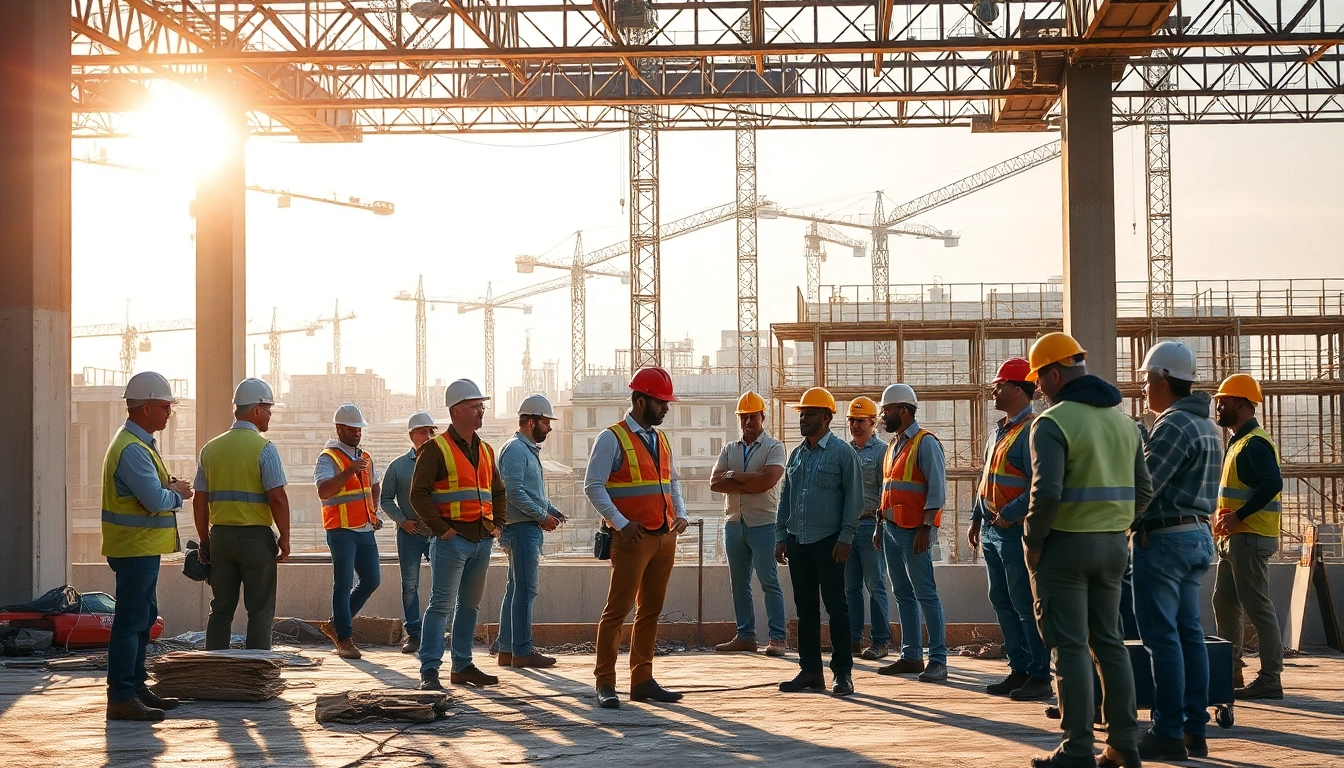
Understanding the Role of a New York Commercial General Contractor
When embarking on a construction project in the bustling environment of New York, the role of a New York Commercial General Contractor cannot be overstated. These contractors serve as the backbone of any development, responsible for overseeing the entirety of construction, from initial planning to final execution. Their presence ensures that projects adhere to timelines, budgets, and quality standards while maintaining a smooth operation throughout the construction process.
Key Responsibilities and Services
The responsibilities of a New York Commercial General Contractor are vast and varied, encompassing numerous crucial services.
- Project Planning: Effective planning includes budgeting, scheduling, and resource allocation. Contractors must foresee potential issues and strategize solutions.
- Site Management: On-site management involves supervising workers, ensuring compliance with safety standards, and maintaining quality control.
- Contract Negotiation: These contractors negotiate agreements with subcontractors and suppliers, securing the best terms for their clients.
- Permitting and Licensing: They handle the necessary permits and licenses that are crucial for legal compliance.
- Coordination of Trade Specialists: This includes coordinating various subcontractors such as electricians and plumbers to ensure that all aspects of the project align.
The Importance of Project Management
Project management is a critical component that defines the success of construction projects. A skilled New York Commercial General Contractor will implement project management principles to enhance efficiency:
- Timeline Management: Creating a project timeline helps keep everyone on track and aware of deadlines.
- Resource Allocation: Effective distribution of resources, including labor and materials, minimizes waste and optimizes costs.
- Risk Management: Identifying potential risks and implementing proactive strategies reduces the likelihood of setbacks.
Top Challenges Faced by a New York Commercial General Contractor
Operating in New York presents unique obstacles for commercial general contractors, requiring them to navigate an array of challenges.
Cost Overruns and Budgeting Issues
One of the most pressing challenges contractors face is managing costs effectively. The high cost of materials and labor in New York can lead to budget overruns. Solutions include:
- Detailed Budgeting: Create a comprehensive budget that includes contingencies for unexpected expenses.
- Regular Financial Review: Frequent assessments of project spending can help identify discrepancies early, facilitating timely corrective actions.
Time Management Strategies
Time is of utmost importance in construction. Disruptions can severely impact timelines. Implementing effective time management strategies is essential:
- Set Milestones: Break projects down into smaller milestones to make tracking progress easier.
- Use of Project Management Tools: Employing software solutions helps streamline communication and task management, optimizing workflow.
Addressing Regulatory Compliance
New York has stringent regulations governing construction, requiring contractors to stay informed about changes in laws and codes. Best practices include:
- Continuous Education: Regular training sessions keep contractors and staff updated on compliance and safety regulations.
- Consulting with Legal Experts: Engaging legal professionals can clarify complex requirements and avoid potential violations.
Best Practices for Effective Communication
Communication is vital for the success of any construction project. Establishing effective channels can ensure clarity and alignment among all stakeholders.
Stakeholder Engagement
Regular communication with stakeholders ensures everyone remains informed and engaged. Practices for effective engagement include:
- Frequent Updates: Regular meetings and updates keep stakeholders informed of project status and developments.
- Transparent Reporting: Providing clear and honest reports fosters trust and collaboration.
Implementing Technology Tools
Technology greatly enhances communication in construction:
- Construction Management Software: Implementing software that consolidates information enhances real-time communication among teams.
- Mobile Applications: Mobile tools can facilitate instant updates and adjustments on-site, keeping the flow of information seamless.
Regular Progress Updates
Regular updates minimize misunderstandings and align efforts:
- Weekly Briefings: Scheduling weekly progress briefings helps gather insights and refine strategies as necessary.
- Visual Progress Tracking: Tools such as Gantt charts provide visual representations of progress, aiding logical discussions on project timing.
Innovative Techniques in Construction
Innovation drives efficiency and sustainability in construction. New York Commercial General Contractors are adopting modern methods to enhance project outcomes.
Green Building Practices
Sustainability is more than a trend; it's essential for future-proofing construction. Key practices include:
- Energy-Efficient Materials: Utilizing eco-friendly materials helps reduce environmental impact and operating costs.
- Sustainable Design Principles: Designing buildings that optimize natural resources contributes to lower energy consumption.
Prefabrication and Modular Construction
Prefabrication allows for components of a build to be constructed off-site:
- Time Efficiency: This method can significantly reduce construction time.
- Quality Control: Factory environments can ensure tighter controls over quality, reducing defects.
Smart Building Technologies
Enhancing functionality through technology is essential for modern construction:
- Building Management Systems (BMS): These systems enhance energy management and operational efficiency.
- IoT Integration: Smart technologies can automate various systems, enhancing safety and comfort.
Measuring Success as a New York Commercial General Contractor
To evaluate performance, contractors must consider multiple metrics that reflect their effectiveness and growth.
Key Performance Indicators
Quantitative measures provide insight into operational efficiency:
- Cost Management: Monitoring costs against budgets can highlight financial performance.
- Timeline Adherence: Evaluating completed milestones against projected timelines offers insight into operational efficiency.
Client Satisfaction Metrics
Client feedback is a crucial determinant of success in construction:
- Surveys and Reviews: Soliciting client feedback through surveys helps gauge satisfaction levels post-project completion.
- Referrals and Repeat Business: A high rate of referrals indicates strong client relationships and satisfaction.
Long-Term Business Growth
To measure success effectively, focus on sustainable growth:
- Market Positioning: Assessing growth in market share can highlight business competitiveness.
- Financial Performance: Regularly reviewing profitability and revenue growth keeps the business aligned with goals.
Frequently Asked Questions
What is the role of a commercial general contractor?
A commercial general contractor oversees construction projects, managing planning, scheduling, budgeting, and ensuring compliance with regulations.
How do I choose the right contractor for my project?
Consider their experience, reputation, communication practices, and past project success to ensure they align with your project needs.
What are common challenges faced by contractors in New York?
Contractors often face budget overruns, time management difficulties, and adherence to regulatory compliance challenges in New York.
How can technology improve construction project management?
Technology enhances project management through tools that improve communication, schedule tracking, and resource allocation, leading to increased efficiency.
What metrics should I use to measure contractor performance?
Key metrics include adherence to budget, timeline accuracy, client satisfaction scores, and long-term growth indicators.