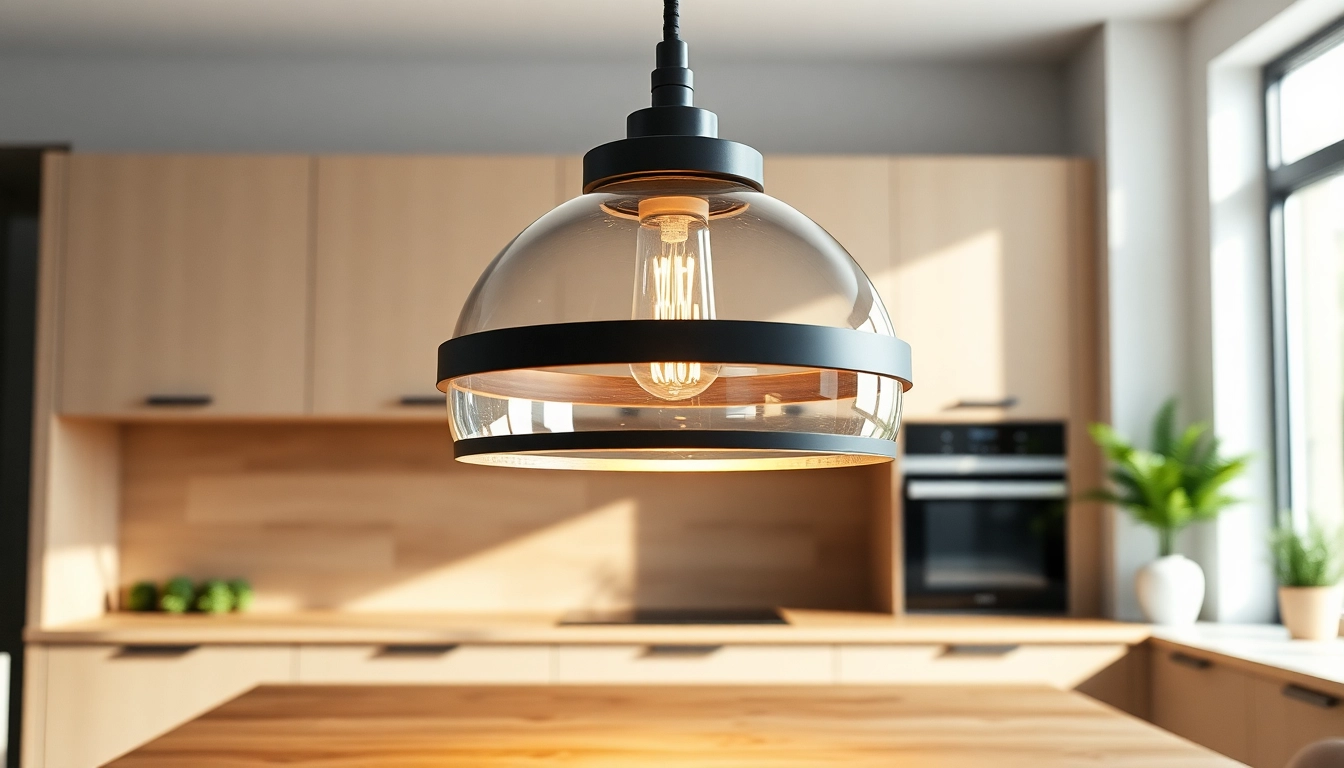
Understanding the Role of Island Light Fixture
What is an Island Light Fixture?
An island light fixture is a specific type of lighting designed primarily for use over kitchen islands and countertops. These fixtures often come in a wide array of styles, sizes, and finishes, allowing homeowners to enhance both the aesthetic and functionality of their spaces. Characteristically, island light fixtures offer focused illumination, making them the ideal choice for areas where food prep or social interactions occur, effectively combining practicality with style.
Importance in Kitchen Design
When considering kitchen design, island light fixtures play a pivotal role in creating an appealing and inviting atmosphere. They serve as both a lighting source and a design statement, influencing the overall ambiance of the kitchen. The right island light fixture can highlight features such as countertops and backsplashes, while also offering adequate task lighting for cooking and dining. Moreover, these fixtures can enhance the visual height of space, drawing the eye and making the kitchen feel more spacious. For many homeowners, choosing the right island light fixture is as essential as selecting cabinetry and countertops.
Choosing the Right Style
Selecting the right style of an island light fixture is crucial for ensuring cohesion within your kitchen design. Popular styles include modern, industrial, vintage, and rustic, each evoking a different aesthetic. Considerations should include the existing decor, color scheme, and personal taste. For instance, contemporary kitchen designs may favor minimalist fixtures with clean lines, while traditional designs might lean towards ornate chandeliers or pendant lights. Ultimately, the chosen style should complement the overall kitchen environment while providing necessary functionality.
Key Features of an Effective Island Light Fixture
Material Choices and Their Impact
The materials used in island light fixtures significantly affect their durability, maintenance, and aesthetic appeal. Common materials include metal, glass, and wood, each bringing its unique benefits. For example, metal fixtures often provide a contemporary feel and are durable, while glass can help diffuse light more evenly, adding a touch of elegance. Wood fixtures, on the other hand, can introduce warmth and a natural element into the kitchen. The selection of materials should align with not only the style of the fixture but also the practical aspects of maintenance and cleaning.
Size Considerations for Different Spaces
Choosing the right size for your island light fixture is critical for both aesthetics and functionality. A fixture that is too small can look lost in a spacious kitchen, while one that is too large can dominate the space. A good rule of thumb is to select a fixture that measures approximately one-third the length of the island. Moreover, consider the ceiling height; higher ceilings can accommodate larger fixtures or multiple fixtures, creating a dramatic effect. Always ensure that the fixture is proportionate to the island to maintain visual balance.
Color and Finish Options
Island light fixtures are available in a myriad of colors and finishes, allowing for extensive customization. Popular finishes include polished chrome, brushed nickel, black matte, and antique brass. The choice of finish can dramatically alter the fixture's character and impact the overall decor. For example, a shiny finish might enhance a modern kitchen, while a matte or antique finish could complement a rustic or farmhouse aesthetic. When selecting a finish, consider the surrounding cabinetry, appliances, and fixtures to ensure a harmonious look throughout the kitchen.
Installation Tips for Island Light Fixture
DIY Installation vs. Professional Help
Installing an island light fixture can often be a DIY project for those with basic electrical skills. However, for those uncomfortable working with electrical wiring, hiring a professional is advisable. A professional can ensure safe installation and compliance with local building codes, especially if there are complex wiring requirements or if the fixture involves multiple lights. Weighing the costs and skills required can help homeowners decide the best path for their specific situation.
Wiring Requirements and Safety
Wiring an island light fixture typically requires dedicated circuits, particularly if the fixture includes multiple bulbs or a variety of features like dimmers. Proper safety precautions must be taken, including turning off the power and using appropriate wire connectors. Local codes may dictate specific wiring requirements, making it crucial to consult a licensed electrician if unsure about the installation process. Ensuring the fixture is rated for damp or wet environments is another critical safety consideration, especially in kitchens.
Best Practices for Placement
We recommend that an island light fixture be hung approximately 30 to 36 inches above the countertop for optimal illumination and ambiance. This height allows sufficient light for food preparation while maintaining an inviting atmosphere. If multiple light fixtures are used, consider spacing them evenly along the length of the island to provide uniform light coverage. This placement ensures effective functionality without creating shadows, enhancing the kitchen's usability.
Maintenance Guidelines for Longevity
Cleaning and Care Tips
Maintaining your island light fixture is essential for both appearance and longevity. Regular dusting with a soft cloth can help prevent the buildup of grime. For glass fixtures, a mix of mild soap and water is often sufficient for cleaning, ensuring all residue is removed for maximum brightness. It's crucial to check the fixture's mounting brackets and screws periodically, as vibrations from kitchen activities may loosen them over time.
Common Issues and Solutions
Common issues with island light fixtures may include flickering lights, bulbs burning out quickly, or uneven lighting. Flickering often signals a loose connection, so inspecting wiring and ensuring all connections are secure is vital. If bulbs burn out more frequently than usual, it might indicate a power surge or using the wrong wattage bulbs. Consulting the manufacturer’s guidelines regarding bulb choices can help to avoid this. For uneven lighting, adjusting the placement or adding additional fixtures may remedy the issue.
Upgrading Your Light Fixture
Upgrading an island light fixture can significantly enhance your kitchen’s overall look and functionality. Consider modern fixtures with energy-efficient LED bulbs for sustainability. Additionally, choosing fixtures with adjustable brightness can cater to different activities, whether cooking or entertaining. If your kitchen style has evolved, don’t hesitate to re-evaluate your existing light fixture to ensure it aligns with your current design preferences.
Frequently Asked Questions about Island Light Fixture
How do I select the right island light fixture?
Choosing the right island light fixture involves considering your kitchen style, the size of the island, and your lighting needs. Look for a fixture that complements your decor and provides adequate illumination.
Are LED lights suitable for island light fixtures?
Yes, LED lights are an excellent choice for island light fixtures. They are energy-efficient, long-lasting, and available in various brightness levels, making them suitable for various uses.
What height should an island light fixture be hung at?
Typically, an island light fixture should be installed 30 to 36 inches above the countertop. This height ensures effective illumination and a welcoming environment.
Can I use multiple island light fixtures together?
Absolutely! Using multiple island light fixtures can enhance light distribution and add a stylish element to your kitchen design. Just ensure they are evenly spaced.
What maintenance does an island light fixture require?
Regular cleaning with a soft cloth is essential, along with periodic checks on wiring and fixtures. This maintenance ensures longevity and optimal performance.