Top Creative Hobbies to Enhance Your Leisure Time

Understanding Hobbies and Leisure Activities

Hobbies and leisure activities play a vital role in enriching our lives, providing a necessary counterbalance to the demands of work and daily responsibilities. Understanding what constitutes a hobby and the importance it holds can be the first step towards discovering joy and satisfaction in our free time.

Definition and Importance of Hobbies

A hobby is generally defined as a regular activity done for enjoyment, typically during one’s leisure time. Unlike a job or professional work, hobbies are pursued voluntarily and often serve as a source of relaxation and personal satisfaction. Engaging in hobbies can significantly enhance our quality of life.

According to a study published in the journal “Psychology of Leisure,” individuals who regularly engage in hobbies experience lower levels of stress, improved mood, and enhanced overall mental health. Hobbies allow individuals to express creativity, develop new skills, or simply escape from the daily grind. The importance of hobbies can be summarized as follows:

  • Stress Relief: Hobbies can serve as a distraction, providing a mental break from everyday challenges.
  • Skill Development: Many hobbies encourage the acquisition of new skills that can be beneficial personally or professionally.
  • Social Connections: Hobbies often lead to opportunities for socializing, fostering friendships and community engagement.

Types of Leisure Activities

Leisure activities can be categorized into various types, each catering to different interests and preferences. Here are some prevalent categories:

  • Creative Hobbies: Activities such as painting, writing, or crafting that allow for personal expression.
  • Physical Activities: Sports, hiking, or yoga that promote physical health and well-being.
  • Intellectual Pursuits: Reading, puzzles, or learning new languages that stimulate the mind.
  • Social Hobbies: Group activities like team sports, book clubs, or community service that foster social connections.
  • Collecting: Hobbies centered around collecting items such as stamps, coins, or antiques.

Benefits of Engaging in Hobbies

Engaging in hobbies offers numerous benefits that extend beyond mere enjoyment. Research indicates that individuals who actively participate in hobbies experience:

  • Enhanced Creativity: Hobbies encourage creative thinking and problem-solving abilities.
  • Increased Happiness: A study by the American Journal of Lifestyle Medicine found that individuals who dedicate time to hobbies report higher levels of life satisfaction.
  • Improved Physical Health: Many hobbies, especially those involving physical activity, contribute to better cardiovascular health and increased longevity.
  • Stronger Social Bonds: Participating in group activities fosters friendships and community ties, enhancing social support networks.

Identifying Your Interests and Passions

Identifying your interests and passions is crucial in selecting a hobby that you will genuinely enjoy. Self-assessment can help you pinpoint activities that resonate with you and align with your personal values.

Self-Assessment Techniques for Hobbies

To begin your journey of self-discovery, consider the following self-assessment techniques:

  • Reflective Journaling: Spend some time writing about your past experiences, interests, and what activities make you feel fulfilled. Identify themes or patterns in your writing.
  • Personality Assessments: Utilize tools like the Myers-Briggs Type Indicator or the Holland Code to gain insight into your personality traits and potential hobbies that align with them.
  • Interest Inventories: Complete an interest inventory questionnaire that can help identify your preferences and suggest related hobbies.

Exploring New Interests: Tools and Resources

Once you have a better understanding of your interests, the next step is to explore new hobbies. Here are some resources to guide your exploration:

  • Online Courses: Websites like Coursera, Udemy, and Skillshare offer a plethora of courses in various hobbies, from photography to coding.
  • Community Centers: Local community centers often host workshops and classes where you can try out new activities and meet like-minded individuals.
  • Social Media: Platforms like Pinterest and Instagram provide a visual exploration of hobbies, allowing you to discover trends and connect with hobby enthusiasts.

How to Choose the Right Hobby for You

Choosing the right hobby involves considering your interests, available time, and resources. Follow these practical steps:

  1. Make a List: Write down activities you’ve always wanted to try or interests you wish to explore.
  2. Consider Your Schedule: Assess how much time you can realistically dedicate to a new hobby each week.
  3. Start Small: Choose a hobby that requires minimal initial investment in terms of money and time, allowing you to ease into it.
  4. Seek Recommendations: Talk to friends or family about their hobbies, and see if any resonate with you.
  5. Test and Evaluate: Try out different hobbies for a short period and evaluate your enjoyment and engagement level before committing long-term.

Getting Started with Your Chosen Hobby

Once you’ve selected a hobby, it’s time to take the plunge and start your journey. Whether you’re knitting, gardening, or learning to play an instrument, getting started can feel daunting. Here’s how to ease into your new endeavor.

Essential Supplies and Equipment for Beginners

Depending on the hobby you’ve chosen, the supplies needed can range from minimal to extensive. Here’s how to ensure you’re adequately equipped:

  • Research Requirements: Investigate what basic supplies you’ll need. For example, if you’re taking up painting, you may require brushes, paint, and canvases.
  • Start with Essentials: Begin with the most essential tools to avoid overwhelming yourself. Upgrading equipment can come later as you grow into the hobby.
  • Budgeting: Set a budget for your initial purchases, keeping in mind that many hobbies have low-cost entry points.

Finding Local Clubs and Online Communities

Joining clubs or communities can enhance your hobby experience. Here’s how to find the right fit:

  • Local Clubs: Search for local hobby clubs through community centers, libraries, or online platforms like Meetup.com.
  • Online Forums: Websites such as Reddit and specialized forums can be valuable resources for finding communities of people with similar interests.
  • Social Media Groups: Platforms like Facebook often host groups dedicated to specific hobbies, providing a space for sharing tips and experiences.

Setting Realistic Goals and Expectations

Setting realistic goals is essential for maintaining motivation and enjoyment in your hobby. Here’s how to do it effectively:

  • Define Objectives: Outline what you hope to achieve with your hobby, whether it’s mastering a technique, completing a project, or simply having fun.
  • Break Down Goals: Divide larger goals into smaller, manageable tasks to avoid feeling overwhelmed.
  • Celebrate Progress: Acknowledge your accomplishments along the way, no matter how small, to keep your motivation high.

Intermediate Skills and Techniques for Hobbies

As you become more comfortable with your chosen hobby, it’s time to explore intermediate skills and techniques that can deepen your expertise and enjoyment.

Improving Your Skills: Advanced Techniques

Once you’ve grasped the basics, consider incorporating advanced techniques to enhance your skills:

  • Online Tutorials: Many platforms offer advanced tutorials that can guide you through complex techniques.
  • Workshops and Classes: Enroll in workshops to learn directly from experienced instructors who can provide personalized feedback.
  • Practice Regularly: Allocate time for practice, as consistent engagement is key to improvement.

Time Management Strategies for Hobby Enthusiasts

As hobbies can sometimes compete with other responsibilities, effective time management is crucial. Here are some strategies:

  • Prioritize Your Hobby: Treat your hobby as a priority by scheduling it into your weekly calendar.
  • Set Time Limits: Allocate specific time blocks for your hobby to prevent it from encroaching on other responsibilities.
  • Combine Activities: If possible, incorporate your hobby into social gatherings or family activities to maximize enjoyment and connection.

Networking and Collaborating with Other Hobbyists

Connecting with others who share your hobby can provide valuable insights and inspiration. Here’s how to network:

  • Attend Events: Participate in local events, fairs, or exhibitions related to your hobby to meet others.
  • Collaborative Projects: Consider collaborating on projects with fellow enthusiasts to learn from each other and share ideas.
  • Online Networking: Utilize social media platforms to connect with hobbyists worldwide, sharing experiences and tips.

Turning Hobbies into a Sustainable Lifestyle

For many, hobbies can evolve into a more significant part of life, sometimes even leading to income-generating opportunities. Here’s how to transition your hobby into a sustainable lifestyle.

Monetizing Your Hobby: Steps to Consider

If you’re considering turning your hobby into a source of income, follow these steps:

  • Market Research: Investigate whether there’s a market for your hobby-related skills or products. Understand your audience and their needs.
  • Create a Business Plan: Outline how you plan to monetize your hobby, including potential costs, pricing strategies, and revenue goals.
  • Start Small: Consider starting as a side hustle, allowing you to test the waters without significant financial risk.
  • Utilize Platforms: Leverage online marketplaces like Etsy for crafts, or Patreon for creative content to reach a broader audience.

Creating Content Around Your Hobbies

Sharing your hobby with others can be rewarding and fulfilling. Here’s how to create content:

  • Blogging: Start a blog to document your journey, share tips, and connect with a community of like-minded individuals.
  • Social Media Presence: Use platforms like Instagram or YouTube to showcase your work and engage with your audience.
  • Online Courses: If you become proficient in your hobby, consider creating online courses to teach others.

Balancing Hobbies with Other Life Responsibilities

Finding a balance between your hobbies and other life responsibilities is essential for maintaining overall well-being. Here are some tips:

  • Set Boundaries: Clearly define when you will engage in your hobby to prevent it from interfering with work or family time.
  • Communicate: Keep your family informed about your hobby commitments, ensuring they understand its importance to you.
  • Be Flexible: Be willing to adjust your hobby schedule as necessary to accommodate other responsibilities while still carving out time for yourself.
Hobbies and Leisure

Top Creative Hobbies to Enhance Your Leisure Time

Understanding Hobbies and Leisure Activities

Hobbies and leisure activities play a vital role in enriching our lives, providing a necessary counterbalance to the demands of work and daily responsibilities. Understanding what constitutes a hobby and the importance it holds can be the first step towards discovering joy and satisfaction in our free time.

Definition and Importance of Hobbies

A hobby is generally defined as a regular activity done for enjoyment, typically during one’s leisure time. Unlike a job or professional work, hobbies are pursued voluntarily and often serve as a source of relaxation and personal satisfaction. Engaging in hobbies can significantly enhance our quality of life.

According to a study published in the journal “Psychology of Leisure,” individuals who regularly engage in hobbies experience lower levels of stress, improved mood, and enhanced overall mental health. Hobbies allow individuals to express creativity, develop new skills, or simply escape from the daily grind. The importance of hobbies can be summarized as follows:

  • Stress Relief: Hobbies can serve as a distraction, providing a mental break from everyday challenges.
  • Skill Development: Many hobbies encourage the acquisition of new skills that can be beneficial personally or professionally.
  • Social Connections: Hobbies often lead to opportunities for socializing, fostering friendships and community engagement.

Types of Leisure Activities

Leisure activities can be categorized into various types, each catering to different interests and preferences. Here are some prevalent categories:

  • Creative Hobbies: Activities such as painting, writing, or crafting that allow for personal expression.
  • Physical Activities: Sports, hiking, or yoga that promote physical health and well-being.
  • Intellectual Pursuits: Reading, puzzles, or learning new languages that stimulate the mind.
  • Social Hobbies: Group activities like team sports, book clubs, or community service that foster social connections.
  • Collecting: Hobbies centered around collecting items such as stamps, coins, or antiques.

Benefits of Engaging in Hobbies

Engaging in hobbies offers numerous benefits that extend beyond mere enjoyment. Research indicates that individuals who actively participate in hobbies experience:

  • Enhanced Creativity: Hobbies encourage creative thinking and problem-solving abilities.
  • Increased Happiness: A study by the American Journal of Lifestyle Medicine found that individuals who dedicate time to hobbies report higher levels of life satisfaction.
  • Improved Physical Health: Many hobbies, especially those involving physical activity, contribute to better cardiovascular health and increased longevity.
  • Stronger Social Bonds: Participating in group activities fosters friendships and community ties, enhancing social support networks.

Identifying Your Interests and Passions

Identifying your interests and passions is crucial in selecting a hobby that you will genuinely enjoy. Self-assessment can help you pinpoint activities that resonate with you and align with your personal values.

Self-Assessment Techniques for Hobbies

To begin your journey of self-discovery, consider the following self-assessment techniques:

  • Reflective Journaling: Spend some time writing about your past experiences, interests, and what activities make you feel fulfilled. Identify themes or patterns in your writing.
  • Personality Assessments: Utilize tools like the Myers-Briggs Type Indicator or the Holland Code to gain insight into your personality traits and potential hobbies that align with them.
  • Interest Inventories: Complete an interest inventory questionnaire that can help identify your preferences and suggest related hobbies.

Exploring New Interests: Tools and Resources

Once you have a better understanding of your interests, the next step is to explore new hobbies. Here are some resources to guide your exploration:

  • Online Courses: Websites like Coursera, Udemy, and Skillshare offer a plethora of courses in various hobbies, from photography to coding.
  • Community Centers: Local community centers often host workshops and classes where you can try out new activities and meet like-minded individuals.
  • Social Media: Platforms like Pinterest and Instagram provide a visual exploration of hobbies, allowing you to discover trends and connect with hobby enthusiasts.

How to Choose the Right Hobby for You

Choosing the right hobby involves considering your interests, available time, and resources. Follow these practical steps:

  1. Make a List: Write down activities you’ve always wanted to try or interests you wish to explore.
  2. Consider Your Schedule: Assess how much time you can realistically dedicate to a new hobby each week.
  3. Start Small: Choose a hobby that requires minimal initial investment in terms of money and time, allowing you to ease into it.
  4. Seek Recommendations: Talk to friends or family about their hobbies, and see if any resonate with you.
  5. Test and Evaluate: Try out different hobbies for a short period and evaluate your enjoyment and engagement level before committing long-term.

Getting Started with Your Chosen Hobby

Once you’ve selected a hobby, it’s time to take the plunge and start your journey. Whether you’re knitting, gardening, or learning to play an instrument, getting started can feel daunting. Here’s how to ease into your new endeavor.

Essential Supplies and Equipment for Beginners

Depending on the hobby you’ve chosen, the supplies needed can range from minimal to extensive. Here’s how to ensure you’re adequately equipped:

  • Research Requirements: Investigate what basic supplies you’ll need. For example, if you’re taking up painting, you may require brushes, paint, and canvases.
  • Start with Essentials: Begin with the most essential tools to avoid overwhelming yourself. Upgrading equipment can come later as you grow into the hobby.
  • Budgeting: Set a budget for your initial purchases, keeping in mind that many hobbies have low-cost entry points.

Finding Local Clubs and Online Communities

Joining clubs or communities can enhance your hobby experience. Here’s how to find the right fit:

  • Local Clubs: Search for local hobby clubs through community centers, libraries, or online platforms like Meetup.com.
  • Online Forums: Websites such as Reddit and specialized forums can be valuable resources for finding communities of people with similar interests.
  • Social Media Groups: Platforms like Facebook often host groups dedicated to specific hobbies, providing a space for sharing tips and experiences.

Setting Realistic Goals and Expectations

Setting realistic goals is essential for maintaining motivation and enjoyment in your hobby. Here’s how to do it effectively:

  • Define Objectives: Outline what you hope to achieve with your hobby, whether it’s mastering a technique, completing a project, or simply having fun.
  • Break Down Goals: Divide larger goals into smaller, manageable tasks to avoid feeling overwhelmed.
  • Celebrate Progress: Acknowledge your accomplishments along the way, no matter how small, to keep your motivation high.

Intermediate Skills and Techniques for Hobbies

As you become more comfortable with your chosen hobby, it’s time to explore intermediate skills and techniques that can deepen your expertise and enjoyment.

Improving Your Skills: Advanced Techniques

Once you’ve grasped the basics, consider incorporating advanced techniques to enhance your skills:

  • Online Tutorials: Many platforms offer advanced tutorials that can guide you through complex techniques.
  • Workshops and Classes: Enroll in workshops to learn directly from experienced instructors who can provide personalized feedback.
  • Practice Regularly: Allocate time for practice, as consistent engagement is key to improvement.

Time Management Strategies for Hobby Enthusiasts

As hobbies can sometimes compete with other responsibilities, effective time management is crucial. Here are some strategies:

  • Prioritize Your Hobby: Treat your hobby as a priority by scheduling it into your weekly calendar.
  • Set Time Limits: Allocate specific time blocks for your hobby to prevent it from encroaching on other responsibilities.
  • Combine Activities: If possible, incorporate your hobby into social gatherings or family activities to maximize enjoyment and connection.

Networking and Collaborating with Other Hobbyists

Connecting with others who share your hobby can provide valuable insights and inspiration. Here’s how to network:

  • Attend Events: Participate in local events, fairs, or exhibitions related to your hobby to meet others.
  • Collaborative Projects: Consider collaborating on projects with fellow enthusiasts to learn from each other and share ideas.
  • Online Networking: Utilize social media platforms to connect with hobbyists worldwide, sharing experiences and tips.

Turning Hobbies into a Sustainable Lifestyle

For many, hobbies can evolve into a more significant part of life, sometimes even leading to income-generating opportunities. Here’s how to transition your hobby into a sustainable lifestyle.

Monetizing Your Hobby: Steps to Consider

If you’re considering turning your hobby into a source of income, follow these steps:

  • Market Research: Investigate whether there’s a market for your hobby-related skills or products. Understand your audience and their needs.
  • Create a Business Plan: Outline how you plan to monetize your hobby, including potential costs, pricing strategies, and revenue goals.
  • Start Small: Consider starting as a side hustle, allowing you to test the waters without significant financial risk.
  • Utilize Platforms: Leverage online marketplaces like Etsy for crafts, or Patreon for creative content to reach a broader audience.

Creating Content Around Your Hobbies

Sharing your hobby with others can be rewarding and fulfilling. Here’s how to create content:

  • Blogging: Start a blog to document your journey, share tips, and connect with a community of like-minded individuals.
  • Social Media Presence: Use platforms like Instagram or YouTube to showcase your work and engage with your audience.
  • Online Courses: If you become proficient in your hobby, consider creating online courses to teach others.

Balancing Hobbies with Other Life Responsibilities

Finding a balance between your hobbies and other life responsibilities is essential for maintaining overall well-being. Here are some tips:

  • Set Boundaries: Clearly define when you will engage in your hobby to prevent it from interfering with work or family time.
  • Communicate: Keep your family informed about your hobby commitments, ensuring they understand its importance to you.
  • Be Flexible: Be willing to adjust your hobby schedule as necessary to accommodate other responsibilities while still carving out time for yourself.
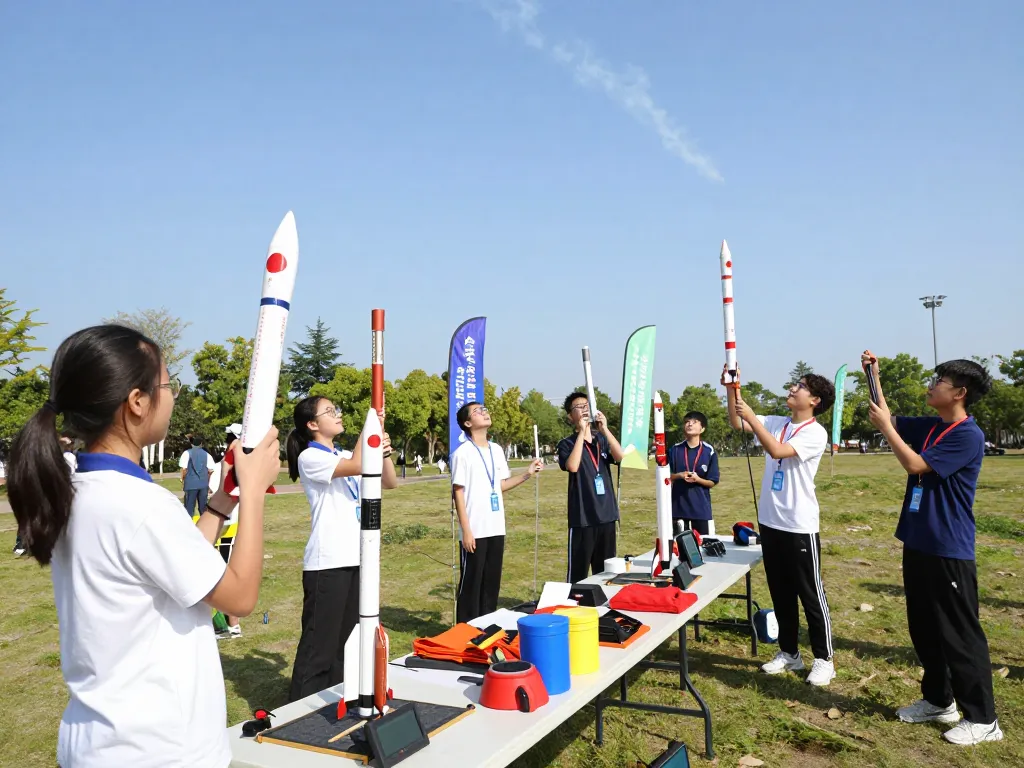
Students launching model rocket kits outdoors during a STEM event, capturing excitement and education.

Mastering Model Rocket Kits: 7 Essential Tips for Success in 2026

Introduction to Model Rocket Kits

Model rocketry has long been a captivating hobby for enthusiasts of all ages, offering a unique blend of engineering, science, and creativity. In recent years, the popularity of model rocket kits has surged, particularly in educational settings, providing students and hobbyists alike with a platform to explore the principles of flight and aerodynamics. With schools across the UK incorporating rocketry into their STEM curriculum, model rockets serve as an engaging tool for hands-on learning that ignites the imagination and fosters critical thinking skills.

What Are Model Rocket Kits?

Model rocket kits are comprehensive packages typically containing all the necessary components to build and launch a model rocket. These kits range from simple, ready-to-fly (RTF) models to more complex designs that require assembly. Basic kits usually include the rocket body, fins, nose cone, recovery system (like parachutes), and rocket motors, while advanced kits may also comprise additional features such as onboard electronics or customizable options.

Benefits of Using Model Rocket Kits in STEM Education

Incorporating model rocket kits into STEM education offers numerous benefits. Firstly, they provide students with a practical application of physics and engineering principles, allowing them to witness the laws of motion and the forces of lift and drag in action. Secondly, rocketry promotes teamwork and collaboration, as many projects are designed for group participation, encouraging students to work together to solve problems and achieve common goals. Finally, the excitement of launching a rocket can inspire a deep interest in STEM fields, potentially steering students toward future careers in science and engineering.

The Growth of Model Rocketry in the UK

The growth of model rocketry in the UK can be attributed to several factors, including the rise of educational initiatives and the increasing accessibility of rocketry supplies. Several schools and educational programs have recognized the potential of rocketry as a tool for teaching critical thinking and problem-solving skills. As a result, many educational institutions now incorporate model rocketry into their science curriculums, hosting rocket launches and competitions that engage students and spark their interest in the sciences.

Choosing the Right Model Rocket Kits

When selecting a model rocket kit, it’s essential to consider various factors to ensure a successful and enjoyable experience, whether for educational purposes or personal hobby use.

Factors to Consider When Selecting Model Rocket Kits

  • Skill Level: Beginners should start with simpler kits that require minimal assembly and include all necessary components. More experienced rocketeers can explore advanced kits that offer greater complexity and customization.
  • Type of Launch: Consider whether the rocket will be used for educational demonstrations or recreational launches. Different kits target different purposes.
  • Compatibility: Ensure that all components, such as rocket motors and recovery systems, are compatible with the kit.
  • Price Range: Set a budget, as model rocket kits can vary significantly in price based on quality, features, and included components.
  • Educational Value: For educational purposes, choose kits that come with detailed instructional materials and lesson plans.

Best Model Rocket Kits for Beginners and Schools

Some popular options for beginners and educational settings include:

  • Sky Piercer Starter Set: This ready-to-fly kit comes with everything needed for an exciting launch experience, making it ideal for inexperienced rocketeers.
  • Star Chaser Team Class Pack: Perfect for classrooms, this pack provides ten kits, enabling collaborative projects and launches for groups.
  • Explorer Launch Set: An excellent choice for educational programs, this set includes a launch pad and igniter, allowing for immediate setup and launching.

Advanced Model Rocket Kits for Experienced Hobbyists

For those who have experience in rocketry, more advanced kits provide opportunities for customization and enhanced performance. These may include features such as various rocket motors or advanced recovery systems. Some top-rated options include:

  • D9-3 Six Pack of Klima Rocket Motors: This is a high-performance choice for advanced rocketeers looking to push their creations to new heights.
  • Advanced Custom Rocket Kits: Designed for seasoned hobbyists, these kits often allow for substantial modifications and the inclusion of electronics.

Essential Components of Model Rocket Kits

Understanding the essential components of model rocket kits is critical for selecting the right kit and ensuring a successful launch experience.

Understanding Rocket Motors and Engines

Rocket motors are a fundamental component of any model rocket, providing the necessary thrust to propel the rocket into the air. They come in various sizes and power ratings, which can be matched to the rocket’s weight and design. It’s crucial to choose the appropriate motor for your specific model to ensure stability and a safe flight.

Launch Pads: Safety and Performance Features

Launch pads are essential for safely launching your model rocket. They provide stability and alignment at lift-off. Good launch pads feature adjustable angles and secure fittings for the rocket. They should also be equipped with safety features that minimize risks during the launch process.

Recovery Systems: Parachutes vs. Streamers

Recovery systems enable safe descent and retrieval of model rockets. Parachutes are commonly used for larger rockets, providing a gentle return to the ground. In contrast, streamers are lighter and may be used for smaller rockets, offering a quicker descent. Understanding which recovery system is best suited for your rocket design is vital for successful launches.

Common Challenges with Model Rocket Kits

Even experienced rocketeers face challenges when building and launching model rockets. Fortunately, many of these issues can be mitigated with proper preparation and knowledge.

5 Causes of Rocket Motor Misfires and How to Avoid Them

  • Improper Motor Installation: Ensure that the motor is securely installed and that all components are tightly fitted to prevent misfires.
  • Defective Igniters: Always check the igniter before launching, as a faulty igniter can lead to failed launches.
  • Poor Electrical Connections: Ensure all electrical connections are solid and that the launch system is functioning correctly.
  • Environmental Factors: Launching in adverse weather conditions can affect the performance of the rocket. Always check the forecast before launching.
  • Incorrect Motor Type: Match the motor type to the rocket kit specifications to avoid compatibility issues.

Common Glue Mistakes in Rocket Assembly

Building model rockets requires precision, particularly when it comes to adhesives. Common mistakes include:

  • Using Hot Glue on Structural Parts: While quick, hot glue may not provide the necessary strength for critical components. Opt for stronger adhesives designed specifically for model building.
  • Overapplying Glue: Excess glue can add unnecessary weight and lead to structural failure; apply sparingly.
  • Ignoring Drying Times: Failing to allow adequate drying time can result in unsecure parts and cause failures during flight.

Weather Considerations for Safe Launching

Weather plays a significant role in the success of your rocket launch. High winds, rain, or extreme temperatures can compromise the safety and performance of your rocket. Always conduct launches in favorable conditions, and be aware of local weather forecasts to choose the best launch day.

Future Trends in Model Rocketry for 2026 and Beyond

The model rocketry landscape is continuously evolving, driven by technological advancements, educational initiatives, and environmental awareness.

Innovations in Model Rocket Technology

Emerging technologies such as 3D printing and innovative materials are transforming the way model rockets are designed and built. These advancements allow hobbyists to create unique designs and improve performance features. As the availability of more sophisticated electronics increases, integrating telemetry systems and altimeters into model rockets is likely to become more common.

Expanding Educational Programs and Community Engagement

As the popularity of model rocketry in education grows, more schools and organizations are developing programs that promote community engagement through rocketry clubs, competitions, and workshops. These initiatives provide students with mentorship opportunities and practical experiences that can foster long-lasting interest in STEM fields.

Environmental Considerations and Sustainability in Rocketry

Environmental awareness is becoming increasingly important in the rocketry community. Future developments may focus on minimizing the environmental impact of rocket launches, such as using eco-friendly materials and implementing responsible recovery strategies. These movements not only aim to protect natural spaces but also educate new generations on sustainability and environmental stewardship.