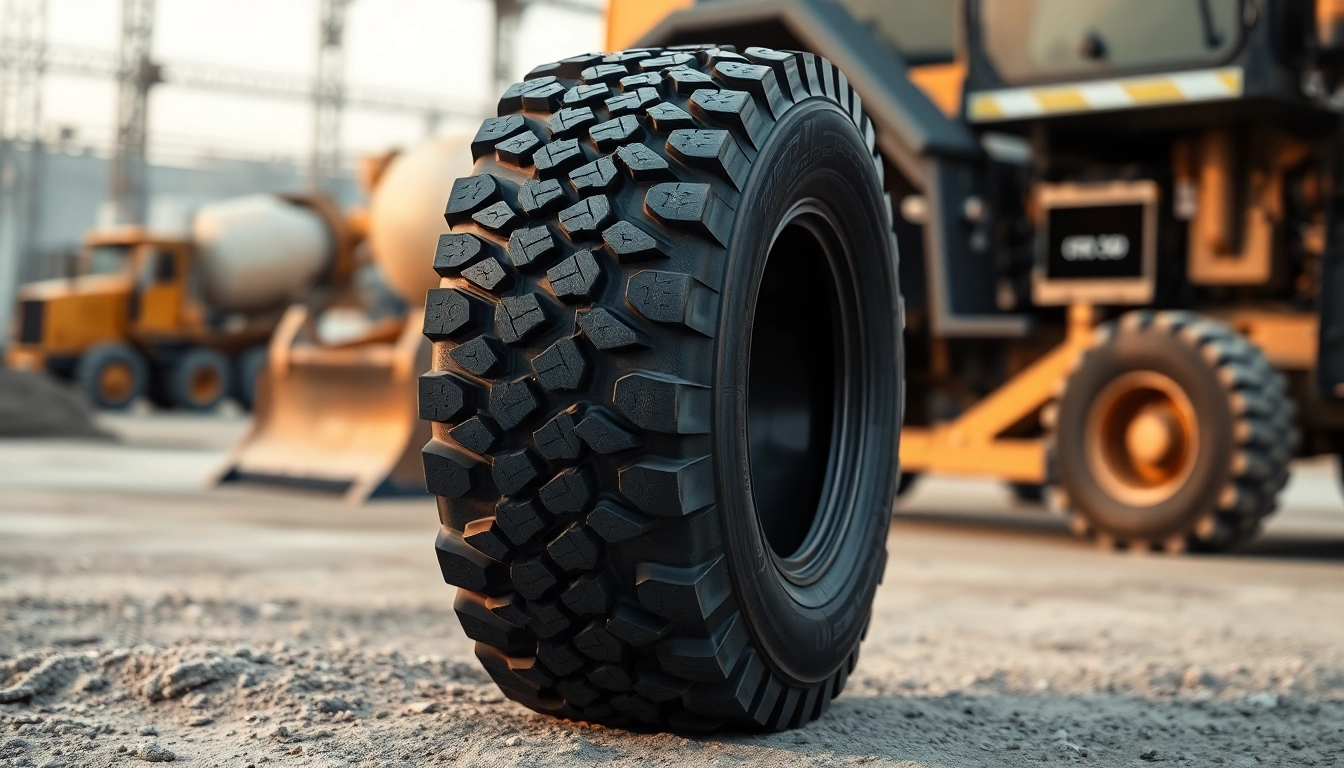
Advancements in Heavy Industry: Engineering for the Future

Fundamentals of Heavy Industry

Heavy industry forms the backbone of modern economies, playing a pivotal role in the production and manufacturing of goods that are essential for daily life and technological advancement. This sector encompasses a broad range of activities, from the extraction of raw materials to the production of heavy machinery and infrastructure development. Understanding the fundamentals of heavy industry is crucial for professionals, students, and stakeholders involved in engineering and manufacturing.

Definition and Scope of Heavy Industry

Heavy industry refers to the large-scale manufacturing processes that involve the transformation of raw materials into finished products, typically using significant amounts of energy and resources. This sector includes industries such as steel manufacturing, shipbuilding, automotive, aerospace, construction, and mining. The scope of heavy industry is considerable, impacting various sectors including defense, transportation, and energy. Heavy industry is characterized by:

  • High capital investment: Businesses in this sector often require substantial financial resources to establish and maintain operations.
  • Large-scale operations: Heavy industries typically produce goods in bulk, necessitating extensive facilities and workforce.
  • Complex supply chains: The nature of operations often involves intricate logistics and supply chains to manage raw materials and distribution.

Key Sectors and Their Contributions

Several sectors fall under the umbrella of heavy industry, each contributing uniquely to the economy. Below are a few key sectors and their contributions:

  • Steel Industry: Vital for construction and manufacturing, the steel industry contributes billions to the global GDP and employs millions worldwide. For example, in 2021, the global crude steel production was approximately 1.95 billion metric tons.
  • Shipbuilding: This sector is essential for global trade, as over 90% of the world’s goods are transported by sea. Major shipbuilding nations include South Korea, China, and Japan, which dominate the market.
  • Aerospace: With a focus on innovation and safety, the aerospace sector is crucial for transportation and defense, contributing significantly to national economies through job creation and technological advancements.
  • Mining: The extraction of minerals and resources is foundational for other industries, providing essential raw materials such as coal, copper, and iron ore.

Challenges Faced by Heavy Industry

Despite its contributions, heavy industry faces numerous challenges that can hinder growth and sustainability. Key challenges include:

  • Regulatory Compliance: Adhering to environmental and safety regulations can be complex and costly, impacting operational efficiency.
  • Technological Advancements: Keeping pace with rapid technological changes can be a challenge, requiring continuous investment in new technologies and training.
  • Labor Shortages: The sector often struggles with attracting and retaining skilled labor, exacerbated by an aging workforce.
  • Market Volatility: Fluctuations in demand and raw material prices can significantly affect profitability and operational stability.

Engineering Principles in Heavy Industry

The success of heavy industry is grounded in a variety of engineering principles. These principles govern the design, construction, and operation of industrial systems and structures, ensuring efficiency, safety, and sustainability.

Core Engineering Disciplines Applied

Heavy industry incorporates several core engineering disciplines, each contributing to the sector’s overall functionality:

  • Civil Engineering: Essential for infrastructure development, civil engineers design and construct buildings, bridges, and other structures that support industrial operations.
  • Mechanical Engineering: Focused on the design and manufacturing of machinery, mechanical engineers play a vital role in improving productivity and efficiency in manufacturing processes.
  • Chemical Engineering: Chemical engineers are crucial in processes involving the transformation of raw materials, particularly in industries such as petrochemicals and pharmaceuticals.
  • Electrical Engineering: This discipline ensures that machinery and equipment operate smoothly, involving power supply, automation, and control systems.

Materials Science and Its Importance

Materials science is a fundamental aspect of heavy industry, influencing the selection and application of materials used in manufacturing. Understanding the properties and behaviors of materials is essential for optimizing performance and durability. Key points include:

  • Material Selection: Engineers must choose materials that meet specific requirements for strength, weight, and corrosion resistance. For example, titanium alloys are favored in aerospace for their strength-to-weight ratio.
  • Innovation in Materials: Advances in composites and nanomaterials are driving innovation in heavy industry, allowing for the development of lighter and stronger products.
  • Testing and Quality Assurance: Rigorous testing of materials ensures safety and reliability, particularly in sectors like aerospace and automotive.

Design and Manufacturing Processes

The design and manufacturing processes in heavy industry are complex and multifaceted, often requiring collaboration across various engineering disciplines. Key aspects include:

  • Design for Manufacturability (DFM): This principle emphasizes designing products in a way that simplifies manufacturing processes, reducing costs and time.
  • Lean Manufacturing: Implementing lean principles helps minimize waste and maximize productivity, a crucial aspect for staying competitive in the heavy industry.
  • Advanced Manufacturing Techniques: Technologies such as 3D printing and additive manufacturing are transforming traditional processes, allowing for more efficient production and customization.

Advanced Technologies in Heavy Industry

The integration of advanced technologies is reshaping heavy industry, enhancing efficiency, safety, and overall productivity. These innovations are crucial for staying competitive in a rapidly evolving market.

The Role of Automation and Robotics

Automation and robotics play a transformative role in heavy industry by streamlining operations and minimizing human error. Examples include:

  • Automated Assembly Lines: Many automotive manufacturers, such as Toyota, use automated assembly lines to improve speed and consistency in production.
  • Robotic Welding: In industries like shipbuilding, robotic welding enhances precision and reduces labor costs, resulting in higher-quality products.
  • Predictive Maintenance: Automation technologies allow for real-time monitoring of machinery, predicting failures before they occur and minimizing downtime.

Integration of IoT in Heavy Engineering

The Internet of Things (IoT) is revolutionizing heavy engineering by enabling interconnectivity between machines, systems, and devices. This integration offers numerous benefits:

  • Real-Time Data Analytics: IoT devices collect and analyze data in real time, allowing for informed decision-making and enhanced operational efficiency.
  • Supply Chain Optimization: IoT facilitates improved tracking of materials and products throughout the supply chain, reducing delays and costs.
  • Remote Monitoring: Operators can monitor equipment remotely, enhancing safety and operational efficiency.

Impact of Artificial Intelligence on Operations

Artificial Intelligence (AI) is increasingly being adopted in heavy industry, offering capabilities that enhance operations and decision-making processes:

  • Data-Driven Insights: AI algorithms analyze vast datasets to identify trends, optimize processes, and predict outcomes, leading to improved efficiency.
  • Quality Control: AI can be used for automated inspection processes, ensuring that products meet quality standards without the need for extensive manual checks.
  • Energy Management: AI systems can optimize energy consumption in manufacturing processes, contributing to sustainability efforts.

Environmental Considerations and Sustainability

As global awareness of environmental issues increases, heavy industry faces pressure to adopt sustainable practices. Addressing environmental considerations is not only essential for compliance but also for enhancing corporate responsibility.

Regulations and Compliance in Heavy Industry

Heavy industry is subject to numerous regulations aimed at protecting the environment and ensuring workplace safety. Compliance with these regulations is crucial for operational success:

  • Environmental Protection Agency (EPA): In the United States, the EPA enforces regulations that limit emissions and discharges from industrial activities.
  • ISO Standards: Many companies pursue ISO certifications to demonstrate their commitment to environmental management, such as ISO 14001.
  • Health and Safety Regulations: Compliance with OSHA standards ensures worker safety and can mitigate risks associated with industrial operations.

Innovative Practices for Reducing Waste

Implementing innovative practices can significantly reduce waste in heavy industry, leading to cost savings and environmental benefits:

  • Circular Economy: Embracing a circular economy approach involves designing products for reuse and recycling, minimizing waste generation.
  • Lean Manufacturing: This methodology focuses on eliminating waste throughout the production process, from raw material acquisition to final delivery.
  • Waste-to-Energy Technologies: Utilizing waste materials to generate energy can reduce landfill use and provide an alternative energy source for operations.

Renewable Energy Applications in Heavy Engineering

Heavy industry is increasingly adopting renewable energy solutions to power operations and reduce carbon footprints. Key applications include:

  • Solar Energy: Many manufacturing facilities are installing solar panels to harness renewable energy, reducing reliance on fossil fuels.
  • Wind Energy: Wind farms are providing energy to heavy industrial operations, particularly in regions with favorable wind conditions.
  • Energy Storage Solutions: Advanced battery technologies are enabling industries to store excess renewable energy for use during peak demand periods.

Future Trends and Strategic Developments

The heavy industry landscape is continuously evolving, with emerging trends and strategic developments shaping its future. Staying ahead of these trends is essential for long-term success.

Emerging Markets and Global Impact

Emerging markets are becoming increasingly influential in heavy industry, with countries in Asia, Africa, and South America leading growth:

  • Infrastructure Development: Rapid urbanization in these regions is driving demand for infrastructure, resulting in increased investments in heavy industry.
  • Resource Availability: Emerging markets often have abundant natural resources, making them attractive locations for heavy industrial operations.
  • Global Trade Dynamics: As emerging economies grow, they will play a larger role in global supply chains, impacting pricing and availability of goods.

Investment in Research and Development

Investing in research and development (R&D) is critical for innovation and competitiveness in heavy industry. Key considerations include:

  • Technological Advancements: R&D efforts can lead to groundbreaking technologies that improve efficiency, safety, and sustainability.
  • Collaboration with Academia: Partnering with universities and research institutions can facilitate knowledge sharing and access to cutting-edge research.
  • Government Incentives: Many governments offer grants and incentives for R&D activities, encouraging industries to innovate.

Collaboration with Technology Startups

Collaboration with technology startups is becoming increasingly important in heavy industry, as these partnerships can lead to innovative solutions:

  • Access to Cutting-Edge Technologies: Startups often bring fresh perspectives and technologies that can enhance industrial processes.
  • Agility and Flexibility: Startups can respond quickly to market changes, making collaborations beneficial for large industrial firms seeking to adapt.
  • Joint Ventures: Forming joint ventures with startups can provide the resources needed to scale innovative solutions while sharing risks.
Heavy Industry and Engineering

Advancements in Heavy Industry: Engineering for the Future

Fundamentals of Heavy Industry

Heavy industry forms the backbone of modern economies, playing a pivotal role in the production and manufacturing of goods that are essential for daily life and technological advancement. This sector encompasses a broad range of activities, from the extraction of raw materials to the production of heavy machinery and infrastructure development. Understanding the fundamentals of heavy industry is crucial for professionals, students, and stakeholders involved in engineering and manufacturing.

Definition and Scope of Heavy Industry

Heavy industry refers to the large-scale manufacturing processes that involve the transformation of raw materials into finished products, typically using significant amounts of energy and resources. This sector includes industries such as steel manufacturing, shipbuilding, automotive, aerospace, construction, and mining. The scope of heavy industry is considerable, impacting various sectors including defense, transportation, and energy. Heavy industry is characterized by:

  • High capital investment: Businesses in this sector often require substantial financial resources to establish and maintain operations.
  • Large-scale operations: Heavy industries typically produce goods in bulk, necessitating extensive facilities and workforce.
  • Complex supply chains: The nature of operations often involves intricate logistics and supply chains to manage raw materials and distribution.

Key Sectors and Their Contributions

Several sectors fall under the umbrella of heavy industry, each contributing uniquely to the economy. Below are a few key sectors and their contributions:

  • Steel Industry: Vital for construction and manufacturing, the steel industry contributes billions to the global GDP and employs millions worldwide. For example, in 2021, the global crude steel production was approximately 1.95 billion metric tons.
  • Shipbuilding: This sector is essential for global trade, as over 90% of the world’s goods are transported by sea. Major shipbuilding nations include South Korea, China, and Japan, which dominate the market.
  • Aerospace: With a focus on innovation and safety, the aerospace sector is crucial for transportation and defense, contributing significantly to national economies through job creation and technological advancements.
  • Mining: The extraction of minerals and resources is foundational for other industries, providing essential raw materials such as coal, copper, and iron ore.

Challenges Faced by Heavy Industry

Despite its contributions, heavy industry faces numerous challenges that can hinder growth and sustainability. Key challenges include:

  • Regulatory Compliance: Adhering to environmental and safety regulations can be complex and costly, impacting operational efficiency.
  • Technological Advancements: Keeping pace with rapid technological changes can be a challenge, requiring continuous investment in new technologies and training.
  • Labor Shortages: The sector often struggles with attracting and retaining skilled labor, exacerbated by an aging workforce.
  • Market Volatility: Fluctuations in demand and raw material prices can significantly affect profitability and operational stability.

Engineering Principles in Heavy Industry

The success of heavy industry is grounded in a variety of engineering principles. These principles govern the design, construction, and operation of industrial systems and structures, ensuring efficiency, safety, and sustainability.

Core Engineering Disciplines Applied

Heavy industry incorporates several core engineering disciplines, each contributing to the sector’s overall functionality:

  • Civil Engineering: Essential for infrastructure development, civil engineers design and construct buildings, bridges, and other structures that support industrial operations.
  • Mechanical Engineering: Focused on the design and manufacturing of machinery, mechanical engineers play a vital role in improving productivity and efficiency in manufacturing processes.
  • Chemical Engineering: Chemical engineers are crucial in processes involving the transformation of raw materials, particularly in industries such as petrochemicals and pharmaceuticals.
  • Electrical Engineering: This discipline ensures that machinery and equipment operate smoothly, involving power supply, automation, and control systems.

Materials Science and Its Importance

Materials science is a fundamental aspect of heavy industry, influencing the selection and application of materials used in manufacturing. Understanding the properties and behaviors of materials is essential for optimizing performance and durability. Key points include:

  • Material Selection: Engineers must choose materials that meet specific requirements for strength, weight, and corrosion resistance. For example, titanium alloys are favored in aerospace for their strength-to-weight ratio.
  • Innovation in Materials: Advances in composites and nanomaterials are driving innovation in heavy industry, allowing for the development of lighter and stronger products.
  • Testing and Quality Assurance: Rigorous testing of materials ensures safety and reliability, particularly in sectors like aerospace and automotive.

Design and Manufacturing Processes

The design and manufacturing processes in heavy industry are complex and multifaceted, often requiring collaboration across various engineering disciplines. Key aspects include:

  • Design for Manufacturability (DFM): This principle emphasizes designing products in a way that simplifies manufacturing processes, reducing costs and time.
  • Lean Manufacturing: Implementing lean principles helps minimize waste and maximize productivity, a crucial aspect for staying competitive in the heavy industry.
  • Advanced Manufacturing Techniques: Technologies such as 3D printing and additive manufacturing are transforming traditional processes, allowing for more efficient production and customization.

Advanced Technologies in Heavy Industry

The integration of advanced technologies is reshaping heavy industry, enhancing efficiency, safety, and overall productivity. These innovations are crucial for staying competitive in a rapidly evolving market.

The Role of Automation and Robotics

Automation and robotics play a transformative role in heavy industry by streamlining operations and minimizing human error. Examples include:

  • Automated Assembly Lines: Many automotive manufacturers, such as Toyota, use automated assembly lines to improve speed and consistency in production.
  • Robotic Welding: In industries like shipbuilding, robotic welding enhances precision and reduces labor costs, resulting in higher-quality products.
  • Predictive Maintenance: Automation technologies allow for real-time monitoring of machinery, predicting failures before they occur and minimizing downtime.

Integration of IoT in Heavy Engineering

The Internet of Things (IoT) is revolutionizing heavy engineering by enabling interconnectivity between machines, systems, and devices. This integration offers numerous benefits:

  • Real-Time Data Analytics: IoT devices collect and analyze data in real time, allowing for informed decision-making and enhanced operational efficiency.
  • Supply Chain Optimization: IoT facilitates improved tracking of materials and products throughout the supply chain, reducing delays and costs.
  • Remote Monitoring: Operators can monitor equipment remotely, enhancing safety and operational efficiency.

Impact of Artificial Intelligence on Operations

Artificial Intelligence (AI) is increasingly being adopted in heavy industry, offering capabilities that enhance operations and decision-making processes:

  • Data-Driven Insights: AI algorithms analyze vast datasets to identify trends, optimize processes, and predict outcomes, leading to improved efficiency.
  • Quality Control: AI can be used for automated inspection processes, ensuring that products meet quality standards without the need for extensive manual checks.
  • Energy Management: AI systems can optimize energy consumption in manufacturing processes, contributing to sustainability efforts.

Environmental Considerations and Sustainability

As global awareness of environmental issues increases, heavy industry faces pressure to adopt sustainable practices. Addressing environmental considerations is not only essential for compliance but also for enhancing corporate responsibility.

Regulations and Compliance in Heavy Industry

Heavy industry is subject to numerous regulations aimed at protecting the environment and ensuring workplace safety. Compliance with these regulations is crucial for operational success:

  • Environmental Protection Agency (EPA): In the United States, the EPA enforces regulations that limit emissions and discharges from industrial activities.
  • ISO Standards: Many companies pursue ISO certifications to demonstrate their commitment to environmental management, such as ISO 14001.
  • Health and Safety Regulations: Compliance with OSHA standards ensures worker safety and can mitigate risks associated with industrial operations.

Innovative Practices for Reducing Waste

Implementing innovative practices can significantly reduce waste in heavy industry, leading to cost savings and environmental benefits:

  • Circular Economy: Embracing a circular economy approach involves designing products for reuse and recycling, minimizing waste generation.
  • Lean Manufacturing: This methodology focuses on eliminating waste throughout the production process, from raw material acquisition to final delivery.
  • Waste-to-Energy Technologies: Utilizing waste materials to generate energy can reduce landfill use and provide an alternative energy source for operations.

Renewable Energy Applications in Heavy Engineering

Heavy industry is increasingly adopting renewable energy solutions to power operations and reduce carbon footprints. Key applications include:

  • Solar Energy: Many manufacturing facilities are installing solar panels to harness renewable energy, reducing reliance on fossil fuels.
  • Wind Energy: Wind farms are providing energy to heavy industrial operations, particularly in regions with favorable wind conditions.
  • Energy Storage Solutions: Advanced battery technologies are enabling industries to store excess renewable energy for use during peak demand periods.

Future Trends and Strategic Developments

The heavy industry landscape is continuously evolving, with emerging trends and strategic developments shaping its future. Staying ahead of these trends is essential for long-term success.

Emerging Markets and Global Impact

Emerging markets are becoming increasingly influential in heavy industry, with countries in Asia, Africa, and South America leading growth:

  • Infrastructure Development: Rapid urbanization in these regions is driving demand for infrastructure, resulting in increased investments in heavy industry.
  • Resource Availability: Emerging markets often have abundant natural resources, making them attractive locations for heavy industrial operations.
  • Global Trade Dynamics: As emerging economies grow, they will play a larger role in global supply chains, impacting pricing and availability of goods.

Investment in Research and Development

Investing in research and development (R&D) is critical for innovation and competitiveness in heavy industry. Key considerations include:

  • Technological Advancements: R&D efforts can lead to groundbreaking technologies that improve efficiency, safety, and sustainability.
  • Collaboration with Academia: Partnering with universities and research institutions can facilitate knowledge sharing and access to cutting-edge research.
  • Government Incentives: Many governments offer grants and incentives for R&D activities, encouraging industries to innovate.

Collaboration with Technology Startups

Collaboration with technology startups is becoming increasingly important in heavy industry, as these partnerships can lead to innovative solutions:

  • Access to Cutting-Edge Technologies: Startups often bring fresh perspectives and technologies that can enhance industrial processes.
  • Agility and Flexibility: Startups can respond quickly to market changes, making collaborations beneficial for large industrial firms seeking to adapt.
  • Joint Ventures: Forming joint ventures with startups can provide the resources needed to scale innovative solutions while sharing risks.
USAG spanners displayed in a professional mechanic workshop, showcasing precision and craftsmanship.

Comprehensive Guide to USAG Spanners: Essential Tools for 2026

Understanding USAG Spanners

USAG spanners are essential tools that have evolved into a staple for both professional mechanics and DIY enthusiasts. Known for their precision and durability, these spanners are designed to tackle a wide range of applications across various industries. Whether you’re repairing a vehicle or undertaking a home improvement project, understanding the unique features and benefits of USAG spanners can significantly enhance your toolbox.

When exploring options, usag spanners provide comprehensive insights into the types and functionalities that suit your needs.

What Are USAG Spanners?

USAG spanners, commonly also referred to as wrenches, are hand tools used to provide grip and turn objects such as nuts and bolts. They come in various styles including open-end, box-end, and combination wrenches, each designed to fit specific tasks and fittings. The hallmark of USAG spanners is their ergonomic design, which allows for easy handling and maximum torque application, making them ideal for intense mechanical work.

History and Evolution of USAG Tools

The history of USAG tools dates back to 1926 when Hermann Amos established the manufacturing plant in Gemonio, Italy. This brand soon became synonymous with quality, focusing on the production of professional tools for various trade industries. Over the decades, USAG has evolved continuously, integrating modern technologies and materials to enhance the performance of its tool lineups. In 1991, USAG became part of the French Group Facom Tools S.A., further expanding its reach and influence in the global market. Today, it operates under the umbrella of Stanley Black & Decker, allowing it to leverage cutting-edge manufacturing techniques and innovation.

Common Uses of USAG Spanners in Various Industries

USAG spanners find applications across multiple industries, including automotive, construction, and manufacturing. In automotive repair, they are pivotal for tasks such as tightening and loosening nuts on engines and chassis components. In the construction sector, professionals use USAG spanners for assembly operations where secure fastening is crucial. Moreover, they are applied in maintenance and repair across various mechanical systems, showcasing their versatility and indispensable role in both professional and hobbyist projects.

Choosing the Right USAG Spanner Size

Selecting the correct size of spanner is critical for effective performance and safety. Using a spanner that does not fit can lead to stripped bolts, injury, or tool damage. Understanding the sizing system and knowing how to measure accurately are essential steps to ensure you are well-equipped for any task.

Guide to USAG Spanner Sizes: What You Need to Know

USAG spanners are available in both metric and imperial sizes, ranging from small sizes typically needed for electronics to larger sizes required for heavy machinery. The size designation usually refers to the width across the flats of the fastener, which means selecting the correct spanner size is vital for snug fit and prevents slippage that can cause damage or injury. Familiarizing yourself with the most commonly used sizes can help streamline your tool selection process.

How to Measure for the Perfect Fit

Measuring for the right spanner involves determining the size of the nut or bolt that you’re working with. A reliable method is to use a caliper or a simple ruler to measure the width across the flats of the fastener. Once you have the measurement, you can select from the available sizes of USAG spanners. It’s crucial to have a few sizes on hand to accommodate different projects and ensure versatility.

Comparing USAG Spanners to Other Brands

When comparing USAG spanners to other brands, there are several factors to consider including quality, price, and user reviews. USAG is known for its robust build and ergonomic design, often outperforming less durable competitors. Users have reported that USAG spanners maintain their shape over time, while other brands may wear down or break under heavy use. For professionals who rely on their tools, investing in high-quality USAG spanners can result in long-term savings and efficiency.

Best Practices for Using USAG Spanners

Proper use of spanners is essential to not only achieve desired results but also to ensure safety during your work. Familiarizing yourself with specific techniques and maintenance practices can enhance your experience with USAG spanners significantly.

Techniques for Leveraging USAG Spanners Efficiently

To use a spanner effectively, position it squarely on the fastener to prevent rounding off the edges. Always pull the handle towards yourself when applying torque, as this reduces the risk of slipping. Utilizing a spanner with a ratchet feature can also save time and effort during repetitive tasks. Additionally, always make sure to work within your strength limits to avoid injuries.

Common Mistakes to Avoid When Using Spanners

One common mistake is using the wrong size spanner for a fastener, which can lead to stripping. Another mistake is applying excessive force, which can snap the tool. It’s also essential to avoid using a spanner on rusted or corroded fasteners without proper treatment, as this can lead to tool failure. Always inspect your tools before use to maintain safety and effectiveness.

Maintenance Tips for Longevity of USAG Spanners

To extend the life of your USAG spanners, keep them clean and free from rust. Regularly apply a light oil to prevent corrosion and store them in a dry environment. Avoid dropping your spanners, as impact can cause misalignment and reduce their effectiveness over time. Proper organization in a tool chest can also prevent wear and tear.

Real-World Applications of USAG Spanners

The effectiveness of USAG spanners is best illustrated through real-world applications, particularly in automotive repair and maintenance. They not only enhance efficiency but also ensure precision in delicate operations.

Case Studies: USAG Spanners in Automotive Repair

In one case, a fleet maintenance company adopted USAG spanners to replace their existing tools. Over a year, they reported a 30% reduction in equipment downtime due to fewer tool failures and misapplied torque. The durability of USAG spanners enabled technicians to work faster and more reliably on routine maintenance and emergency repairs.

Testimonials from Professional Mechanics

Professional mechanics often praise USAG spanners for their balance and grip. A mechanic at a busy garage noted, “Switching to USAG spanners has made a noticeable difference in my daily workflow. They not only feel better in hand, but they also last longer than any other spanner I’ve used.” This sentiment is echoed across various automotive shops, highlighting the impact of quality tools on productivity.

Innovative Uses of USAG Spanners Beyond Automotive

Beyond automotive applications, USAG spanners have been utilized in industries ranging from aerospace to marine engineering. For example, in aerospace maintenance, precision is critical, and the reliability of USAG spanners has proven invaluable. In the marine industry, technicians rely on these tools for their waterproof properties, which ensure performance even in humid and salty conditions.

The Future of USAG Spanners in Automotive Tools

As we look towards 2026, the landscape of hand tools, including USAG spanners, is expected to evolve with emerging technologies and innovations shaping their design and functionality.

Emerging Trends in Hand Tools for 2026

Trends suggest a move towards smart tools that can provide data on performance metrics and even notify users when maintenance is required. This connectivity can enhance the effectiveness of USAG spanners, allowing users to work smarter, not harder. Additionally, there is a growing emphasis on sustainable materials that reduce the ecological footprint of tool manufacturing.

The Role of Technology in Evolving Spanner Designs

Advancements in materials science may lead to spanners made from lighter yet stronger alloys, increasing portability without sacrificing durability. Furthermore, ergonomic designs may be enhanced through the incorporation of adjustable grips to suit individual user preferences, making spanners more comfortable for prolonged use.

Predictions for USAG Spanners and Tool Innovations

Looking ahead, it is predicted that USAG will continue to focus on integrating technology into their tools, improving user experience and safety. For more information, Mister Worker offers valuable insights. Innovations may include enhanced torque settings with visual or auditory feedback, improved anti-slip designs, and expanded ranges of adjustable spanners to accommodate diverse applications.

RR99 tire showcasing durability and tread pattern in construction setting.

RR99: The Definitive Guide to All-Position Truck Tires for 2026

Understanding the RR99 Tire Series

The RR99 series by Double Coin represents a significant advancement in tire technology, particularly designed for commercial vehicles that require versatility in both on-road and off-road settings. This all-position tire is engineered for mixed service uses, making it a popular choice among fleet operators who prioritize durability and performance. With the increasing demands for tire efficiency and reliability in 2026, understanding the features and specifications of the RR99 is crucial for making informed purchasing decisions. When exploring options, RR99 provides comprehensive insights for ensuring operational efficiency.

1. Overview of the RR99 Tire Design

The design of the RR99 tire series is characterized by its robust construction and advanced tread patterns. These tires are built to withstand the challenges presented by diverse terrains, combining the demands of highway travel with the rigors of off-road conditions. The tread design features large, open grooves that enhance traction and facilitate effective water drainage, reducing the risk of hydroplaning during wet conditions. Additionally, the tire’s shoulder design is optimized for stability during sharp turns and heavy loads, ensuring consistent performance across varied applications.

2. Key Features and Specifications of the RR99

  • Tread Life: The RR99 is engineered with a high-quality rubber compound that offers superior wear resistance, extending the overall tread life and reducing the frequency of replacements.
  • Load Capacity: Designed for heavy-duty performance, the RR99 can support load capacities of up to 10,000 lbs, making it suitable for a range of commercial vehicles and applications.
  • Traction: The innovative tread pattern of the RR99 ensures maximum grip on various surfaces, whether in dry or slippery conditions, enhancing safety for drivers.
  • Durability: The tire features cut, chip, and tear-resistant tread compounds designed to endure the harsh conditions often found in mixed service applications.

3. Applications of the RR99 in Mixed Service

The versatility of the RR99 tire makes it applicable across a broad range of industries, particularly those that operate vehicles in both urban and rugged environments. Common applications include:

  • Construction sites where vehicles frequently transition between rough terrain and paved roads.
  • Municipal operations involving service vehicles that operate in varied environments.
  • Long-haul trucking where reliability and performance are paramount for mixed-use applications.

Benefits of Using RR99 Tires

1. Enhanced Performance on and off the Highway

The RR99 tire’s design focuses on delivering exceptional performance regardless of the driving conditions. Its tread pattern is specifically engineered to offer enhanced traction both on highways and off-road, ensuring that vehicles equipped with these tires can handle sudden changes in terrain without compromising safety or efficiency. This versatility is particularly important for fleet operators who often face varied driving conditions.

2. Cost-Effectiveness Over Time

Investing in the RR99 series can lead to significant cost savings over time. The tire’s durability reduces the need for frequent replacements, and its efficient design helps improve fuel economy by minimizing rolling resistance. For businesses, this translates into lower operational costs and enhanced profitability, making it a well-rounded investment for those in the commercial trucking industry.

3. Safety Features and Reliability

Safety is paramount in the transportation industry, and the RR99 does not disappoint. Its advanced design incorporates features such as improved grip and water dispersion capabilities, reducing the likelihood of skidding and enhancing overall vehicle control. The reliability of the RR99 series makes it a preferred choice for safety-conscious fleet operators.

Comparing RR99 with Competitor Tires

1. Performance Metrics vs. Similar Models

When evaluating the RR99 against competing tire models, such as the Michelin X Multi or Bridgestone R283, performance metrics such as traction, tread wear, and load capacity become critical focal points. The RR99 often holds its own, providing comparable performance at a more accessible price point, making it an attractive option for budget-conscious fleets.

2. User Experience and Feedback

Customer feedback highlights the reliability and performance of the RR99 tire series. Users frequently comment on its superior traction in various conditions and its durability under heavy loads. Fleet operators express confidence in the RR99 as a dependable choice that meets their rigorous standards.

3. Pricing Analysis: Is the RR99 Worth It?

The pricing structure of the RR99 tire series falls within a competitive range, especially when considering its performance and longevity. Compared to other premium tire brands, the RR99 offers an excellent balance of quality and affordability, which can greatly appeal to businesses looking to optimize their fleet expenses without sacrificing performance.

Installation and Maintenance of RR99 Tires

1. Proper Installation Techniques

Correct installation of the RR99 tires is crucial for maximizing their performance and lifespan. It is recommended to follow manufacturer guidelines closely, ensuring proper alignment and inflation levels are maintained. Experienced technicians should handle installation to avoid issues such as uneven wear or reduced performance.

2. Maintenance Tips for Longevity

To prolong the life of your RR99 tires, regular maintenance is essential. Key maintenance practices include:

  • Routine inspections for wear and damage.
  • Maintaining proper tire pressure as per specifications.
  • Regularly rotating tires to ensure even wear patterns.

3. Troubleshooting Common Issues

Common issues such as uneven wear can often be traced back to incorrect installation or maintenance practices. Fleet managers should establish preventive maintenance programs to monitor tire condition and address concerns proactively. This not only improves performance but also enhances safety on the road.

Future Trends in Tire Technology for 2026 and Beyond

1. Innovations in Tire Materials and Design

As the tire industry continues to evolve, advancements in materials and design are poised to enhance the performance of tires like the RR99. Emerging technologies, such as self-healing rubber compounds and lightweight materials, could become standard features in high-quality commercial tires, improving durability and efficiency.

2. The Impact of Technology on Tire Performance

Technological advances will likely lead to features such as smart tires equipped with sensors that monitor tire pressure and tread wear in real-time. This can provide valuable data to fleet operators, allowing for more informed maintenance decisions and enhancing safety on the road.

3. Environmental Considerations for Commercial Tires

In an era of increasing environmental awareness, tire manufacturers are focusing on eco-friendly practices. For more information, xổ số vietlot offers valuable insights. The development of tires with lower rolling resistance and recyclable materials is expected to become more prevalent, meeting regulatory demands and consumer expectations for sustainable products.