Understanding the Importance of a Cat Tree
As a cat owner, you might often find yourself pondering the best ways to create an enriching environment for your furry friend. One highly recommended solution is the installation of a cat tree. A well-designed cat tree serves multiple purposes, providing not only a playground but also a sanctuary where your cat can feel secure and entertained.
What is a Cat Tree?
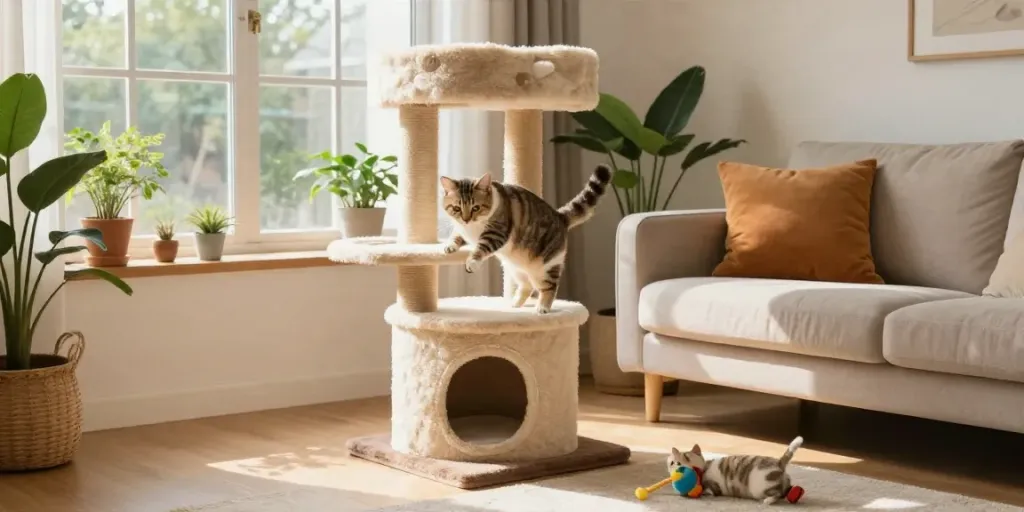
A cat tree, also known as a cat tower or cat condo, is a multi-level structure designed for indoor cats. Typically constructed from wood and carpet, these structures include various platforms, scratching posts, and even hideaways for your cat to explore, climb, and rest. The design of cat trees can vary widely, from simple models to elaborate installations that mimic a natural environment.
Benefits of Having a Cat Tree
Cat trees offer numerous advantages for both cats and their owners:
- Exercise and Physical Health: Cats are natural climbers and scratchers. A cat tree encourages them to engage in physical activities, helping to maintain a healthy weight and muscle tone.
- Stress Relief: Vertical space provides cats with a sense of security. A cat tree allows them to perch up high, enabling them to observe their surroundings safely.
- Prevention of Furniture Damage: Providing a designated scratching area can deter cats from using your furniture, carpets, and curtains to sharpen their claws.
- Stimulation and Entertainment: Many cat trees come with integrated toys or multiple levels to jump between, helping keep your cat entertained and stimulated, which is vital for their mental health.
Common Misconceptions About Cat Trees
Despite the benefits, there are several misconceptions about cat trees:
- They Take Up Too Much Space: While some cat trees can be bulky, many designs cater to smaller homes, offering vertical space rather than horizontal.
- Only for Kittens: Cat trees are suitable for cats of all ages. Senior cats can benefit from lower platforms that allow them to jump easily while still enjoying the tree's functionalities.
- They Are Too Expensive: The market offers a vast range of cat trees catering to different budgets, ensuring that there is a suitable option for every cat owner.
Choosing the Right Cat Tree
When selecting a cat tree, it’s essential to consider various factors to ensure it meets your cat's needs and your home’s space constraints.
Factors to Consider for Cat Size and Activity Level
Not all cats are the same, so it’s crucial to choose a cat tree that matches your specific pet’s size and activity level:
- Size: Larger breeds like Maine Coons require more substantial trees with larger platforms and sturdier construction. Smaller cats might thrive on compact, multi-tiered designs.
- Activity Level: Active cats will benefit from tall, multi-level trees that allow for climbing and jumping. Conversely, older cats may prefer lower structures with wider resting spots.
Choosing Materials and Design for Durability
The durability of a cat tree is crucial for long-term satisfaction. Look for trees made from high-quality materials, such as:
- Wood: Plywood or solid wood frames provide stability and longevity.
- Carpet or Sisal: Ensure that scratching posts are covered in durable materials like sisal that withstand wear and tear, while carpeted areas should be easy to clean.
- Design: Choose a design that complements your home decor while ensuring safety and stability for your cat.
Where to Position Your Cat Tree at Home
Placement of the cat tree is just as important as the selection itself:
- Visibility: Cats prefer to be in spots where they can observe their territory, so place the tree near a window or in a high-traffic area.
- Accessibility: Ensure the tree is easily accessible for your cat. It should not be placed in areas where your cat has difficulty jumping or climbing.
- Safety: Avoid placing the cat tree near hazards, such as heavy furniture or stairs, where it could tip over.
Features to Look for in a Cat Tree
Different cat trees come with various features that can enhance their functionality and enjoyment for your cat. Here are some essential elements to consider:
Climbing Areas and Platforms
Look for cat trees with multiple levels and platforms to encourage climbing and exploration. Cats enjoy surveying their surroundings from high points, making this a critical feature for their comfort and entertainment.
Scratch Posts: Types and Importance
Scratch posts are vital for any cat tree. They should be sturdy and made from appropriate materials for your cat to scratch effectively. Consider:
- Sisal Scratch Posts: These are durable and help cats keep their claws healthy.
- Carpeted Areas: These also allow cats to scratch, but ensure they are made from tough materials.
Additional Accessories and Play Features
Many modern cat trees come equipped with extra features such as:
- Toys: Attachments like dangling toys can increase playtime.
- Hideaways: Enclosed spaces provide cats with a secure area for napping and retreating.
- Convertible Features: Some designs allow customization or reconfiguration to suit your cat's changing preferences.
Caring for Your Cat Tree
Maintaining the cat tree is essential to keep it in good condition for your cat. Regular cleaning and inspection can prolong its lifespan.
Cleaning and Maintenance Tips
Here are some basic maintenance tips:
- Regular Vacuuming: This helps remove fur, dust, and debris that accumulate over time.
- Spot Clean: Use mild soap to clean areas with stains or odors, ensuring you dry the area thoroughly.
- Inspect for Damage: Regularly check for loose parts or damage to ensure safety.
When to Replace Your Cat Tree
Even the best cat trees have a lifespan. Signs it may need replacing include:
- Weakness: If the tree becomes unstable or wobbly, it may be time for a new one.
- Excessive Wear: Torn fabric or severely worn scratching posts can reduce its appeal to your cat.
- Discoloration or Odor: A smelly or stained cat tree may not be safe or pleasant for your cat.
Signs Your Cat Needs a New Tree
Look for changes in your cat’s behavior, such as:
- Avoidance: If your cat starts avoiding the tree or shows reluctance to use it, it might not feel safe anymore.
- Scratching Elsewhere: If your cat is reverting to scratching furniture or carpets, their tree may not be appealing.
Latest Trends and Innovations in Cat Trees for 2026
The pet accessory market is evolving. Here are the latest trends in cat trees:
Smart Cat Trees with Integrated Technology
Emerging tech solutions include cat trees with integrated sensors and cameras that allow owners to monitor their pets remotely. Some designs even feature interactive components that engage cats through movement or sound.
Sustainable Materials in Cat Tree Production
With increasing awareness of environmental impact, many manufacturers now offer eco-friendly options made from sustainable materials like bamboo, recycled plastics, and non-toxic adhesives.
Customizable Options for Cat Owners
Customization is becoming popular, allowing owners to choose specific features, colors, and layouts that fit their home and their cat's preferences.
Is it worth getting a cat tree?
For most cat owners, investing in a cat tree proves beneficial. The health and happiness it brings to your feline friend outweighs the cost, making it a practical addition to any home with indoor cats.
Are cat trees good for cats?
Absolutely! Cat trees facilitate exercise, provide secure resting spots, and reduce behavioral problems by offering suitable outlets for scratching and climbing.
What is the 3-3-3 rule for cats?
The 3-3-3 rule suggests that when you adopt a cat, they may take three days to adjust to their new environment, three weeks to start feeling at home, and three months to fully settle in. A cat tree can accelerate this adjustment period by offering them a place to feel secure and explore.
How much is a Costco cat tree?
Prices can vary, but generally, Costco offers competitive prices on cat trees ranging from budget-friendly options to more luxurious models, catering to different needs and preferences.