
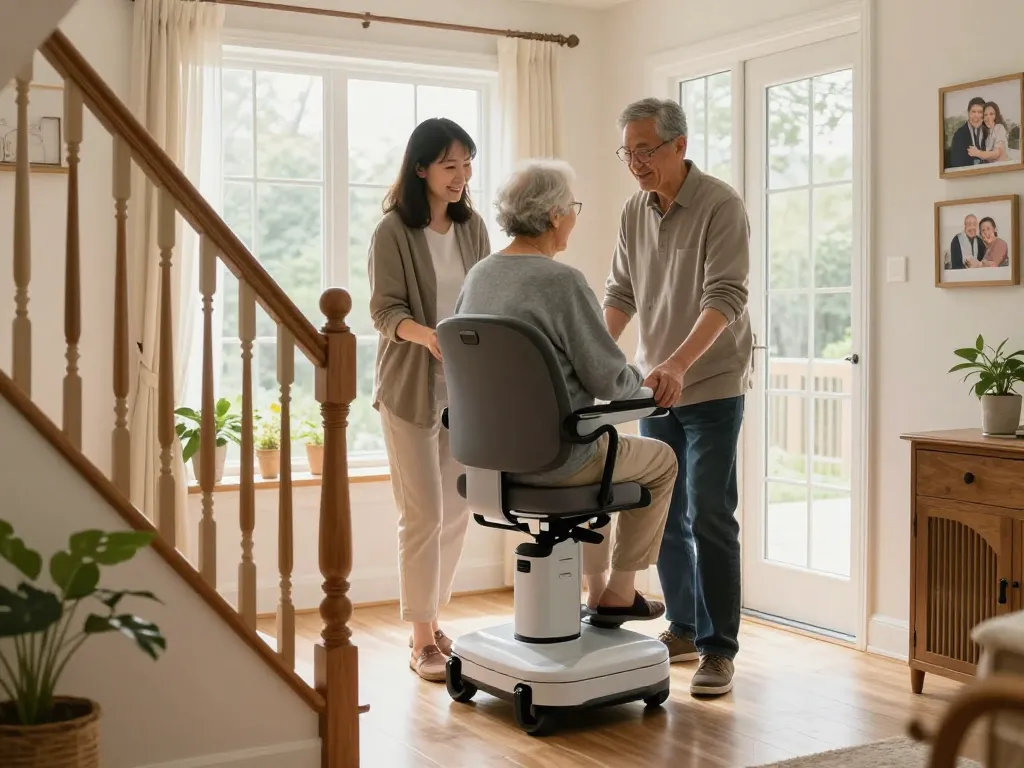
Understanding Stairlifts: What You Need to Know
Stairlifts have become an essential feature for homes with multi-levels, providing mobility solutions for individuals with disabilities or mobility challenges. These mechanical devices enhance accessibility and independence, allowing individuals to navigate stairs with ease and safety. Understanding how a stairlift works, the various types available, and the benefits of having one installed can significantly improve the quality of life for users and their caregivers. When exploring options, stairlift solutions can provide comprehensive insights into making an informed decision that suits your home environment.
What is a Stairlift and How Does it Work?
A stairlift is a device designed to carry a person up and down stairs, often featuring a chair that is mounted on a rail system. The rail is securely attached to the staircase, allowing for safe transport along the stairs. The stairlift operates through a simple mechanism, usually utilizing a battery or a power source for its operation. Users can activate the stairlift via a remote control or buttons located on the armrest, ensuring that the device can be called from any point on the stairs.
Different Types of Stairlifts Available
There are several types of stairlifts designed to meet different needs:
- Straight Stairlifts: Ideal for staircases that run in a straight line, these are the most common and typically less expensive.
- Curved Stairlifts: Customized for staircases with curves or landings, these models require precise measurements and installation, thus are generally higher in price.
- Outdoor Stairlifts: Designed for patios or outdoor steps, these models are weather-resistant and suitable for external environments.
- Standing Stairlifts: These are designed for those who may have difficulty sitting but can stand safely while being transported up and down the stairs.
Benefits of Installing a Stairlift in Your Home
The installation of a stairlift offers multiple advantages, including:
- Enhanced Mobility: Stairlifts provide a safe and easy way for individuals with mobility restrictions to access different levels of their home.
- Independence: Users can maintain their independence and carry out daily activities without relying excessively on others.
- Safety: Stairlifts significantly reduce the risk of falls, which are common on stairs and can lead to serious injuries.
- Increased Home Value: Adding a stairlift can enhance the value of your home, making it more appealing to potential buyers who may need accessibility solutions.
Choosing the Right Stairlift for Your Needs
Factors to Consider When Selecting a Stairlift
When selecting a stairlift, several important factors must be taken into account:
- Staircase Type: Determine whether your staircase is straight, curved, or has landings, as this will influence your choice.
- User’s Needs: Consider the user’s physical condition, including their ability to sit or stand, as well as their weight and height.
- Power Source: Decide between battery-operated or electric stairlifts based on individual preference and accessibility to power outlets.
- Safety Features: Look for essential safety features such as seat belts, swivel seats, and obstacle sensors.
Custom vs. Standard Stairlifts: Making the Right Choice
While standard stairlifts are readily available, custom stairlifts may be necessary for unique staircases. Custom stairlifts are tailored to fit perfectly along the curve or angle of the staircase, ensuring safety and efficiency. Although they typically cost more, they are often the best option for those with complex staircase designs.
Common Misconceptions About Stairlifts
Several misconceptions surround stairlifts, including:
- Cost: Many assume that stairlifts are prohibitively expensive, whereas there are models catering to a range of budgets.
- Bulkiness: Some believe stairlifts take up too much space; however, most models are designed to fit closely against staircases.
- Installation Complexity: While some may think installation is a lengthy process, professional installation is typically completed within a day.
The Installation Process: What to Expect
Preparing Your Home for Stairlift Installation
Preparing for stairlift installation involves ensuring that the stairs are cleared of any obstructions and that there is adequate space for the installation technician to work. It is also wise to discuss any specific concerns with the technician beforehand to ensure the installation meets your requirements.
Step-by-Step Installation Guide
The installation of a stairlift generally includes the following steps:
- Conducting a thorough assessment of the staircase and taking precise measurements.
- Mounting the rail securely to the stairs using appropriate fixings.
- Installing the stairlift chair onto the rail system, ensuring it operates smoothly.
- Testing the unit to confirm it is functioning correctly and addressing any necessary adjustments.
Post-Installation Tips for Optimal Use
After installation, users should familiarize themselves with the stairlift’s operation. It’s advisable to read the user manual thoroughly and perform basic maintenance checks regularly. Ensuring the stairlift remains free from obstructions will help maintain its efficiency and safety.
Maintenance and Safety of Stairlifts
Regular Maintenance Practices to Ensure Longevity
To prolong the lifespan of a stairlift, regular maintenance is key:
- Inspect the stairlift for any signs of wear or damage on the chair and rail.
- Ensure that the battery is functioning properly; if the stairlift is electric, check connections and power sources.
- Schedule annual professional maintenance checks to ensure the device adheres to safety standards.
Safety Features You Should Look For
When evaluating stairlifts, consider essential safety features that enhance user protection:
- Safety Belts: A secure belt helps keep users safe during transit.
- Obstacle Detection: Sensors that prevent the lift from moving if an object is detected on the stairs.
- Swivel Seats: This feature allows easy entry and exit at the top and bottom of the stairs.
What to Do in Case of an Emergency
In the event of an emergency, users should be aware of how to operate the stairlift safely. Many models come equipped with a manual override that allows for operation in the event of a power failure. It’s also essential to have a plan in place for quickly contacting help if needed.
The Future of Stairlifts: Trends to Watch in 2026
Innovations in Stairlift Technology
As technology continues to advance, stairlifts are becoming more sophisticated. Future innovations may include enhanced battery life, smart technology integration, and improved safety features. These technological enhancements aim to provide a better user experience while ensuring safety and reliability.
How Smart Home Integration is Changing the Game
Smart home integration is revolutionizing stairlifts, allowing them to connect with other home automation systems. Users may soon be able to control their stairlift via voice commands or smartphone apps, enhancing convenience and accessibility.
The Growing Importance of Accessibility Solutions
As the population ages, the demand for accessibility solutions, including stairlifts, is on the rise. This trend highlights the importance of investing in products that ensure individuals can remain independent in their homes for longer periods.
What Are the Costs Associated with Stairlifts?
The cost of stairlifts can vary widely, ranging from $2,500 to $8,000, depending on factors such as customization, installation fees, and additional features. It is advisable to obtain quotes from multiple providers to find the best option within your budget.
Are Stairlifts Covered by Insurance?
In some cases, stairlifts may be covered by insurance, especially if they are deemed medically necessary. Consulting with your insurance provider is essential to understand your coverage options and any required documentation.
What Are the Best Stairlifts for Seniors?
When considering stairlifts for seniors, it is crucial to choose models that offer ease of use and safety features. Brands like Stannah and AmeriGlide are recognized for their reliable service and user-friendly designs. Always assess the specific needs of the user, including weight capacity and ease of control.
How to Find a Reputable Stairlift Installer?
Finding a reputable installer is crucial for ensuring proper installation and safety. Recommendations from healthcare providers, online reviews, and professional certification can help you make an informed decision. It is essential to choose an installer who is experienced in stairlift installations.
What Are the Average Lifespans of Stairlifts?
Stairlifts generally have a lifespan of 10 to 15 years, depending on usage frequency and maintenance practices. Regular service and timely repairs can greatly extend their operational lifespan, ensuring maximum return on your investment.