Understanding Hijama Certification UK
In recent years, hijama, or cupping therapy, has gained significant attention as a holistic approach to health and wellness. For those considering a career in this ancient practice, obtaining Hijama certification UK is a crucial step. Certification not only validates your skills but also enhances credibility with clients and peers. This comprehensive guide will delve into the intricacies of hijama certification in the UK, including course options, accreditation standards, and future trends in the field.
What is Hijama Therapy?
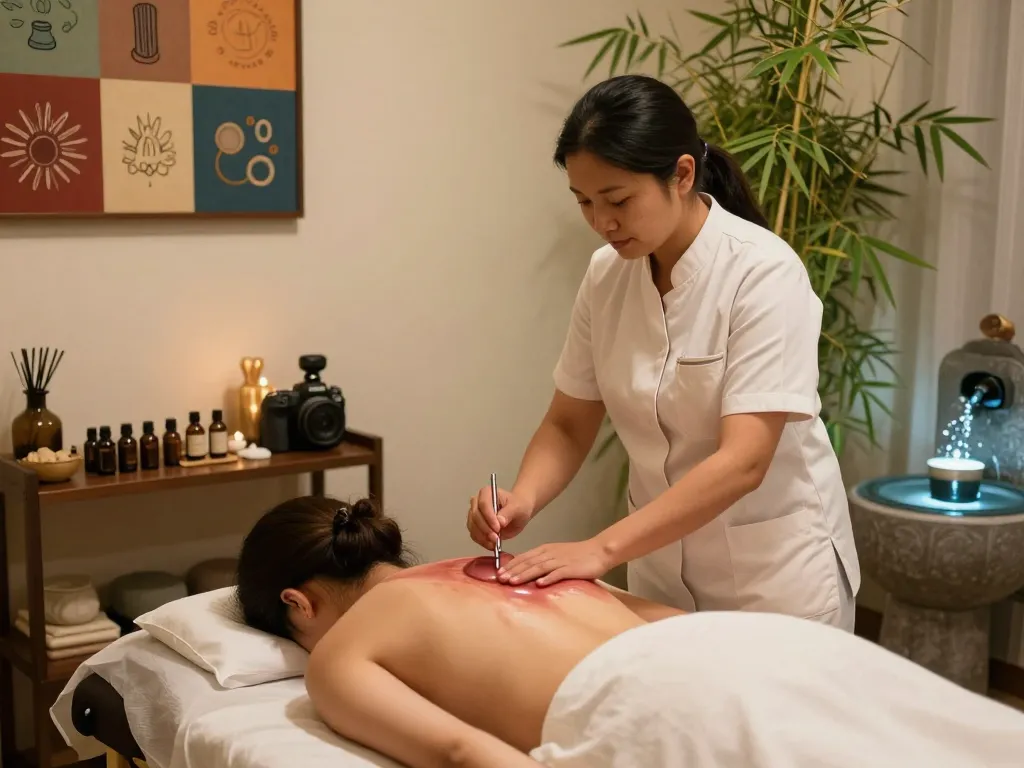
Hijama, an Arabic word that translates to “suction,” is a traditional therapeutic technique that involves creating vacuum pressure on the skin using cups. This method is believed to promote blood flow, relieve pain, and enhance healing by drawing toxins to the surface. Practiced for centuries in various cultures, hijama is particularly revered in Islamic medicine. It is now embraced by many Western practitioners as part of complementary therapy.
Benefits of Hijama Cupping Therapy
The benefits of hijama therapy are numerous and well-documented. Some of the most notable advantages include:
- Pain Relief: Many individuals report relief from chronic pain conditions such as fibromyalgia, arthritis, and lower back pain.
- Improved Circulation: Hijama is believed to stimulate blood circulation, which can enhance overall health and well-being.
- Detoxification: The therapy aids in the removal of toxins from the body, promoting a healthier immune system.
- Stress Reduction: The relaxing nature of the therapy can help alleviate stress and anxiety, improving mental health.
The Importance of Certification
Obtaining certification in hijama therapy is paramount for several reasons. Firstly, it ensures that practitioners have a comprehensive understanding of the techniques and safety protocols necessary for effective treatment. Secondly, certification enhances professional credibility, helping therapists build trust with clients. Furthermore, accredited programs often incorporate the latest research and methodologies, equipping practitioners with current knowledge and skills.
Types of Hijama Courses Available
Beginner Courses: What to Expect
For those new to hijama therapy, beginner courses provide foundational knowledge of the practice. Typically, these courses cover the history and principles of hijama, the various types of cupping techniques, and hands-on practice in a controlled environment. Participants can expect to learn about anatomy, contraindications, and patient assessment.
Advanced Training Programs
Advanced hijama training programs are designed for practitioners who wish to deepen their expertise or specialize in specific areas, such as sports therapy or wellness coaching. These courses often include in-depth training on advanced techniques, patient management, and the integration of hijama with other therapeutic modalities.
Online vs. In-Person Learning Options
With the rise of digital learning platforms, aspiring hijama practitioners have the option to choose between online and in-person courses. Online courses often provide flexibility and self-paced learning, allowing students to study at their convenience. In contrast, in-person training offers direct interaction with instructors and peers, which can enhance practical skills.
Choosing the Right Hijama Training Provider
Accreditation and Recognition
When selecting a hijama training provider, ensuring that the institution is accredited by recognized organizations is vital. Accreditation not only validates the quality of training but also ensures that graduates are eligible for professional recognition. Look for institutions that are affiliated with reputable bodies such as the Complementary Medical Association (CMA) or the International Practitioners of Holistic Medicine (IPHM).
Course Curriculum and Learning Outcomes
A thorough examination of the course curriculum is essential to ascertain whether it meets your learning objectives. Quality training programs should include a blend of theoretical knowledge and practical skills, covering areas such as:
- Basic and advanced cupping techniques
- Health and safety regulations
- Client assessment and treatment planning
- Holistic approaches to patient care
Student Reviews and Success Stories
Researching feedback from current and past students can provide valuable insights into the quality of a training program. Look for testimonials and success stories that highlight graduates’ satisfaction with the course and their subsequent achievements in the field. Engaging with alumni through social media or professional networks can also offer additional perspectives.
The Process of Certification
Steps to Obtain Your Certification
To become a certified hijama practitioner, prospective students typically follow these steps:
- Complete a recognized training program.
- Pass theoretical and practical assessments.
- Obtain additional qualifications if required, such as First Aid.
- Apply for certification through the relevant accrediting body.
Cost Breakdown and Financial Considerations
The cost of hijama certification courses can vary significantly based on factors such as course length, provider reputation, and accreditation status. On average, students can expect to invest anywhere from £200 to £1,000 for comprehensive training. Additionally, it’s essential to consider costs for supplementary materials, insurance, and ongoing education to maintain certification.
Common Challenges in Certification
Many aspiring hijama practitioners encounter challenges during their certification journey. Common obstacles include:
- Balancing coursework with personal commitments.
- Navigating the application process for certification.
- Finding reliable practice opportunities to gain hands-on experience.
Overcoming these hurdles often requires dedication, time management, and networking with other professionals in the field.
Future Trends in Hijama Therapy
Innovations in Healing and Wellness
The hijama industry is continually evolving, with new research and innovations shaping the future of therapy. As awareness of its benefits increases, practitioners are incorporating technology, such as mobile apps for patient management and virtual consultations, into their practices. These innovations are enhancing access to treatment and improving client experiences.
Regulatory Changes in the UK
As the popularity of hijama therapy grows, so does the need for regulatory frameworks to ensure safe and effective practice. Future regulations in the UK may include stricter guidelines on practitioner qualifications, insurance requirements, and client care standards. Staying informed about these changes will be crucial for practitioners aiming to remain compliant and reputable.
Expanding Global Recognition of Hijama Practices
With the increasing global acceptance of alternative therapies, hijama is gaining recognition worldwide. This trend is creating opportunities for UK-certified practitioners to explore international practices, share knowledge, and collaborate with other holistic health professionals. As more countries adopt hijama therapy, the demand for certified practitioners is expected to rise.
What is Hijama Certification UK?
Hijama certification in the UK validates the proficiency and understanding of practitioners in the application of hijama therapy. It ensures that the individual has received quality training and adheres to industry standards, providing clients with confidence in their treatment.
How Much Does Hijama Certification Cost in the UK?
The costs associated with hijama certification courses can vary widely based on the program’s depth and the institution’s accreditation. On average, prospective students might expect to pay £300 to £1,200, which often includes theoretical and practical training, course materials, and examination fees.
Is Online Hijama Certification Recognized?
Many online hijama certification programs are recognized, provided they are accredited by reputable organizations. It’s essential to verify the accreditation status of the online course before enrolling, ensuring that your certification will be valid and respected within the industry.
What are the Best Hijama Certification Courses?
Identifying the best hijama certification courses requires consideration of various factors, including course content, duration, accreditation, and instructor qualifications. Researching and comparing multiple programs can help aspiring practitioners find a course that aligns with their career goals and learning preferences.
How to Start Practicing Hijama Professionally?
To begin practicing hijama professionally, it is essential to first complete an accredited training program and obtain certification. Next, practitioners should consider obtaining liability insurance, establishing a client base, and continually updating their skills through professional development opportunities. Networking within the holistic health community can also enhance visibility and credibility in the field.