Understanding the Pergola Configurator
The pergola configurator is a powerful tool designed to help homeowners and designers create custom outdoor structures that enhance the aesthetic and functionality of outdoor spaces. In 2026, the popularity of these digital configurators continues to grow, offering users the ability to visualize their ideas and make informed decisions before committing to a purchase. Whether you’re considering a simple shade structure or a more elaborate outdoor room, understanding how to utilize a pergola configurator will ensure you get the most from your investment.
What is a Pergola Configurator?
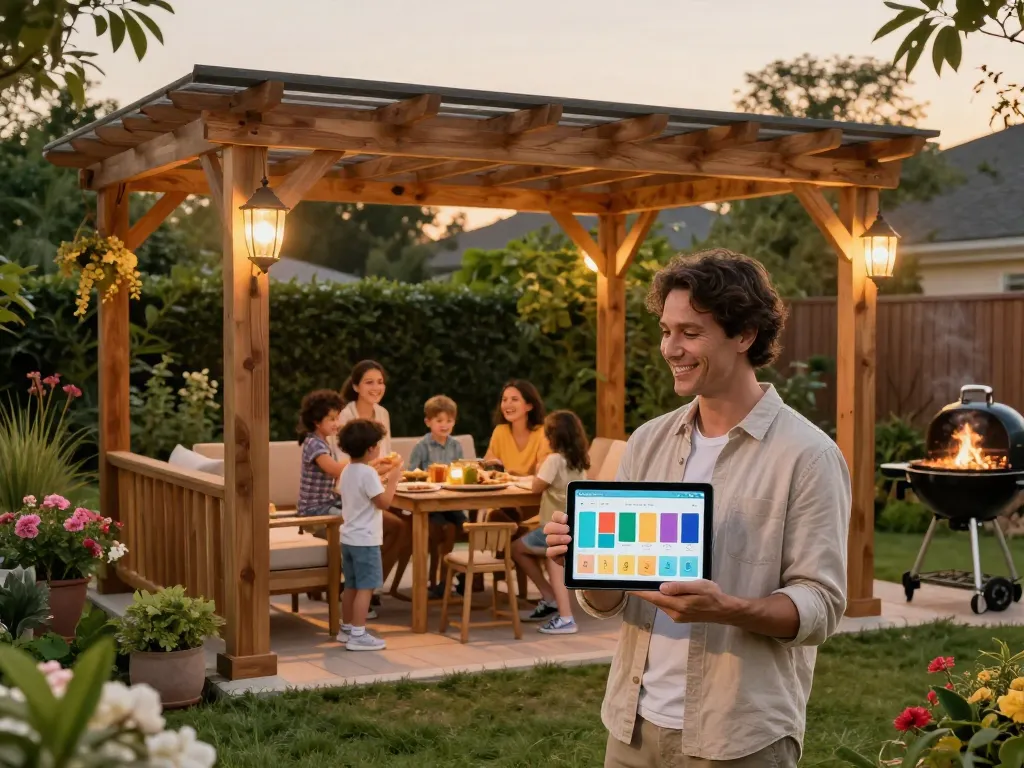
A pergola configurator is an online tool that allows users to design and visualize pergolas in a customizable 3D environment. These platforms typically provide a range of options, including size, style, materials, and colors, allowing users to create a structure that fits their specific needs and preferences. With interactive features, users can manipulate design elements in real-time, providing a unique and engaging experience that sets the stage for informed decision-making.
Benefits of Using a Pergola Configurator
- Visualization: Users can see their designs take shape, helping to bridge the gap between idea and reality.
- Customization: Configurators offer a wide range of design options, from style choices to material selections, ensuring every pergola can be uniquely tailored.
- Cost Efficiency: By visualizing and customizing designs beforehand, users can better estimate costs and avoid unexpected expenses.
- Design Support: Many configurators provide guidance on best practices for pergola design, helping users avoid common pitfalls.
How to Navigate the Configurator Tools
Most configurators are designed with user-friendliness in mind, typically featuring a dashboard that guides you through the design process. Key components include:
- Selecting Dimensions: Input your desired width, height, and length to suit your space.
- Choosing Styles: Explore various styles, from traditional to modern, to find the perfect aesthetic for your home.
- Material Selection: Decide between wood, aluminum, or composite materials to meet your durability and maintenance needs.
- Adding Features: Consider features such as lighting, fans, or sidewalls to enhance the usability of your pergola.
Choosing the Right Design for Your Pergola
When designing a pergola, it’s essential to consider both style and functionality. The right design can transform your outdoor space, creating a seamless extension of your home. In this section, we will dive into popular styles, customization options, and how to incorporate technology into your design.
Popular Pergola Styles in 2026
The pergola landscape is continually evolving, with new styles emerging and traditional designs being reimagined. Some of the most popular styles in 2026 include:
- Bioclimatic Pergolas: These innovative structures feature adjustable slats that allow for optimal airflow and sunlight control.
- Contemporary Designs: Clean lines and minimalist aesthetics are trending, appealing to modern homeowners.
- Rustic Choices: Natural wood finishes and organic shapes provide a cozy, earthy feel, perfect for traditional gardens.
- Multi-Functional Structures: Pergolas that incorporate outdoor kitchens, seating areas, or lounges are increasingly popular.
Customization Options: Colors and Materials
Selecting the right materials and colors can significantly influence the overall look and durability of your pergola. Popular choices include:
- Materials: Wood offers a classic look but requires maintenance. Aluminum is durable and resistant to the elements, while vinyl provides a low-maintenance option with versatility in style.
- Colors: Neutral shades complement various home exteriors, while bold colors can make a statement and enhance garden aesthetics.
Incorporating Technology into Pergola Design
As technology advances, integrating smart features into pergola designs becomes increasingly common. Options include:
- Automated Systems: Motorized louvered roofs that adjust based on weather conditions enhance comfort.
- Lighting Solutions: Integrated LED lights can create an inviting ambiance for evening gatherings.
- Climate Control: Fans and heaters can be added to improve the usability of the space year-round.
Common Challenges in Pergola Design
Designing a pergola can come with its set of challenges. Understanding these potential pitfalls can help you navigate through the design process more effectively.
Addressing Space Limitations in Backyard Layouts
One of the first challenges is working within the constraints of your outdoor space. Considerations include:
- Evaluating the size of your yard and existing landscaping.
- Positioning the pergola for optimal sunlight and shade.
- Ensuring there’s enough clearance from structures, trees, and power lines.
Weather Considerations for Your Custom Pergola
Your area’s climate plays a significant role in your design choices. Here’s how weather can impact your pergola planning:
- In windy regions, it’s crucial to choose materials and designs that can withstand strong gusts.
- Hot climates may benefit from features like shade sails or adjustable slats to control sunlight.
- In areas with heavy snowfall, consider a sturdier design to prevent structural issues.
Understanding Local Regulations and Permits
Before beginning construction, it’s essential to check local building codes and regulations. This may involve:
- Obtaining necessary permits for construction.
- Complying with zoning laws that dictate the size and placement of outdoor structures.
- Consulting with homeowners associations for approval if applicable.
Best Practices for Designing with a Pergola Configurator
Maximizing the usefulness of your pergola configurator requires foresight and planning. Here are some best practices to consider:
Maximizing Functionality in Your Outdoor Space
Design your pergola to enhance the usability of your outdoor space:
- Incorporate seating areas that invite relaxation and socializing.
- Add features like planters or decorative elements to create a cohesive look.
- Consider access to amenities like outdoor cooking spaces or fire pits for improved functionality.
Creating a Cohesive Aesthetic with Your Home
Your pergola should complement your home’s architectural style:
- Match materials and finishes with your home’s exterior to create unity.
- Use similar colors to harmonize with nearby structures.
- Design elements should reflect your home’s character, whether traditional, modern, or rustic.
Tips for Blending Natural Elements into the Design
Integrating natural elements can enhance the overall appeal of your pergola:
- Consider climbing plants or vines for added greenery and shade.
- Incorporate water features nearby for serene aesthetics that promote relaxation.
- Use stone or wood decking that blends with natural landscapes.
Future Trends in Pergola Design and Configuration
As design practices evolve, so do the technologies and materials used in outdoor structures. Here are some insights into the future of pergola design:
Emerging Technologies in Outdoor Design
Innovations in technology are reshaping the way we approach outdoor living spaces. Some emerging trends include:
- Virtual or augmented reality tools for better visualization of designs.
- Smart home integrations that allow for remote control of features such as lighting and shading.
- Advanced materials that offer greater durability and sustainability.
Environmental Sustainability in Material Choices
As awareness of environmental issues grows, so does the demand for sustainable building practices. Considerations include:
- Utilizing recycled or responsibly sourced materials.
- Incorporating eco-friendly finishes to reduce environmental impact.
- Designing structures that encourage water drainage and promote local biodiversity.
Predictions for Outdoor Living Spaces Beyond 2026
The future of outdoor living spaces looks promising with trends leaning towards:
- More multifunctional outdoor installations that serve various purposes.
- Increased personalization as consumers seek unique designs reflecting their style.
- Growing desire for integrated technology that enhances comfort and convenience, regardless of the environment.