
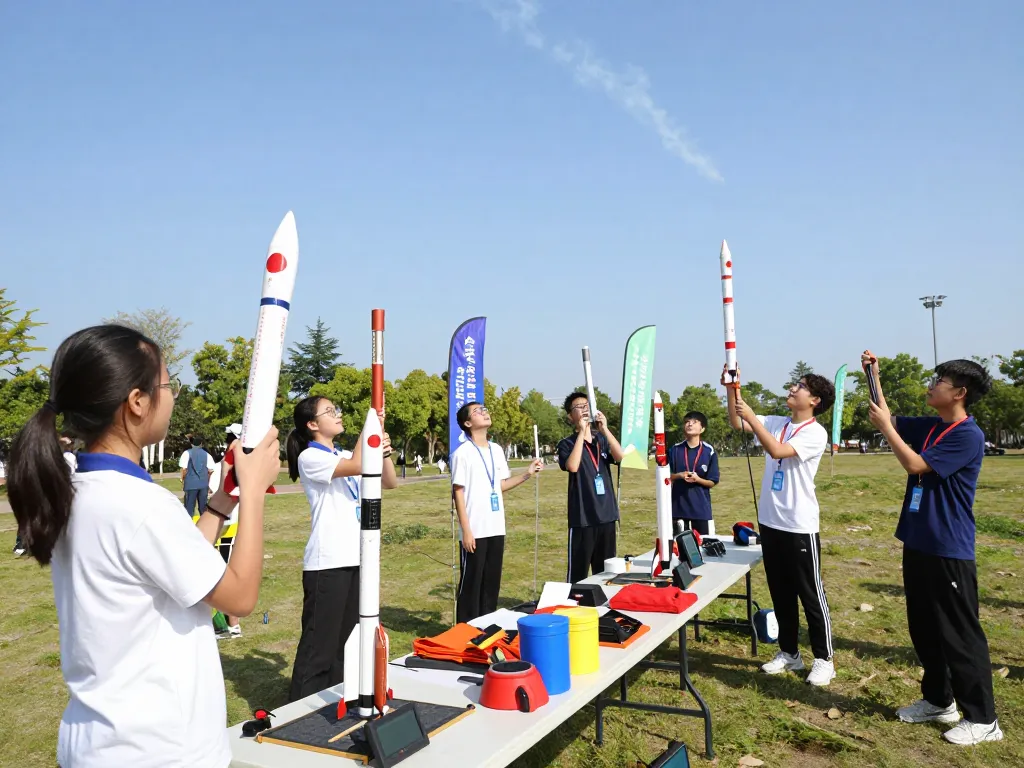
Introduction to Model Rocket Kits
Model rocketry has long been a captivating hobby for enthusiasts of all ages, offering a unique blend of engineering, science, and creativity. In recent years, the popularity of model rocket kits has surged, particularly in educational settings, providing students and hobbyists alike with a platform to explore the principles of flight and aerodynamics. With schools across the UK incorporating rocketry into their STEM curriculum, model rockets serve as an engaging tool for hands-on learning that ignites the imagination and fosters critical thinking skills.
What Are Model Rocket Kits?
Model rocket kits are comprehensive packages typically containing all the necessary components to build and launch a model rocket. These kits range from simple, ready-to-fly (RTF) models to more complex designs that require assembly. Basic kits usually include the rocket body, fins, nose cone, recovery system (like parachutes), and rocket motors, while advanced kits may also comprise additional features such as onboard electronics or customizable options.
Benefits of Using Model Rocket Kits in STEM Education
Incorporating model rocket kits into STEM education offers numerous benefits. Firstly, they provide students with a practical application of physics and engineering principles, allowing them to witness the laws of motion and the forces of lift and drag in action. Secondly, rocketry promotes teamwork and collaboration, as many projects are designed for group participation, encouraging students to work together to solve problems and achieve common goals. Finally, the excitement of launching a rocket can inspire a deep interest in STEM fields, potentially steering students toward future careers in science and engineering.
The Growth of Model Rocketry in the UK
The growth of model rocketry in the UK can be attributed to several factors, including the rise of educational initiatives and the increasing accessibility of rocketry supplies. Several schools and educational programs have recognized the potential of rocketry as a tool for teaching critical thinking and problem-solving skills. As a result, many educational institutions now incorporate model rocketry into their science curriculums, hosting rocket launches and competitions that engage students and spark their interest in the sciences.
Choosing the Right Model Rocket Kits
When selecting a model rocket kit, it’s essential to consider various factors to ensure a successful and enjoyable experience, whether for educational purposes or personal hobby use.
Factors to Consider When Selecting Model Rocket Kits
- Skill Level: Beginners should start with simpler kits that require minimal assembly and include all necessary components. More experienced rocketeers can explore advanced kits that offer greater complexity and customization.
- Type of Launch: Consider whether the rocket will be used for educational demonstrations or recreational launches. Different kits target different purposes.
- Compatibility: Ensure that all components, such as rocket motors and recovery systems, are compatible with the kit.
- Price Range: Set a budget, as model rocket kits can vary significantly in price based on quality, features, and included components.
- Educational Value: For educational purposes, choose kits that come with detailed instructional materials and lesson plans.
Best Model Rocket Kits for Beginners and Schools
Some popular options for beginners and educational settings include:
- Sky Piercer Starter Set: This ready-to-fly kit comes with everything needed for an exciting launch experience, making it ideal for inexperienced rocketeers.
- Star Chaser Team Class Pack: Perfect for classrooms, this pack provides ten kits, enabling collaborative projects and launches for groups.
- Explorer Launch Set: An excellent choice for educational programs, this set includes a launch pad and igniter, allowing for immediate setup and launching.
Advanced Model Rocket Kits for Experienced Hobbyists
For those who have experience in rocketry, more advanced kits provide opportunities for customization and enhanced performance. These may include features such as various rocket motors or advanced recovery systems. Some top-rated options include:
- D9-3 Six Pack of Klima Rocket Motors: This is a high-performance choice for advanced rocketeers looking to push their creations to new heights.
- Advanced Custom Rocket Kits: Designed for seasoned hobbyists, these kits often allow for substantial modifications and the inclusion of electronics.
Essential Components of Model Rocket Kits
Understanding the essential components of model rocket kits is critical for selecting the right kit and ensuring a successful launch experience.
Understanding Rocket Motors and Engines
Rocket motors are a fundamental component of any model rocket, providing the necessary thrust to propel the rocket into the air. They come in various sizes and power ratings, which can be matched to the rocket’s weight and design. It’s crucial to choose the appropriate motor for your specific model to ensure stability and a safe flight.
Launch Pads: Safety and Performance Features
Launch pads are essential for safely launching your model rocket. They provide stability and alignment at lift-off. Good launch pads feature adjustable angles and secure fittings for the rocket. They should also be equipped with safety features that minimize risks during the launch process.
Recovery Systems: Parachutes vs. Streamers
Recovery systems enable safe descent and retrieval of model rockets. Parachutes are commonly used for larger rockets, providing a gentle return to the ground. In contrast, streamers are lighter and may be used for smaller rockets, offering a quicker descent. Understanding which recovery system is best suited for your rocket design is vital for successful launches.
Common Challenges with Model Rocket Kits
Even experienced rocketeers face challenges when building and launching model rockets. Fortunately, many of these issues can be mitigated with proper preparation and knowledge.
5 Causes of Rocket Motor Misfires and How to Avoid Them
- Improper Motor Installation: Ensure that the motor is securely installed and that all components are tightly fitted to prevent misfires.
- Defective Igniters: Always check the igniter before launching, as a faulty igniter can lead to failed launches.
- Poor Electrical Connections: Ensure all electrical connections are solid and that the launch system is functioning correctly.
- Environmental Factors: Launching in adverse weather conditions can affect the performance of the rocket. Always check the forecast before launching.
- Incorrect Motor Type: Match the motor type to the rocket kit specifications to avoid compatibility issues.
Common Glue Mistakes in Rocket Assembly
Building model rockets requires precision, particularly when it comes to adhesives. Common mistakes include:
- Using Hot Glue on Structural Parts: While quick, hot glue may not provide the necessary strength for critical components. Opt for stronger adhesives designed specifically for model building.
- Overapplying Glue: Excess glue can add unnecessary weight and lead to structural failure; apply sparingly.
- Ignoring Drying Times: Failing to allow adequate drying time can result in unsecure parts and cause failures during flight.
Weather Considerations for Safe Launching
Weather plays a significant role in the success of your rocket launch. High winds, rain, or extreme temperatures can compromise the safety and performance of your rocket. Always conduct launches in favorable conditions, and be aware of local weather forecasts to choose the best launch day.
Future Trends in Model Rocketry for 2026 and Beyond
The model rocketry landscape is continuously evolving, driven by technological advancements, educational initiatives, and environmental awareness.
Innovations in Model Rocket Technology
Emerging technologies such as 3D printing and innovative materials are transforming the way model rockets are designed and built. These advancements allow hobbyists to create unique designs and improve performance features. As the availability of more sophisticated electronics increases, integrating telemetry systems and altimeters into model rockets is likely to become more common.
Expanding Educational Programs and Community Engagement
As the popularity of model rocketry in education grows, more schools and organizations are developing programs that promote community engagement through rocketry clubs, competitions, and workshops. These initiatives provide students with mentorship opportunities and practical experiences that can foster long-lasting interest in STEM fields.
Environmental Considerations and Sustainability in Rocketry
Environmental awareness is becoming increasingly important in the rocketry community. Future developments may focus on minimizing the environmental impact of rocket launches, such as using eco-friendly materials and implementing responsible recovery strategies. These movements not only aim to protect natural spaces but also educate new generations on sustainability and environmental stewardship.